

- Admission Open For New batch
Professional Certification in Data Engineering & GenAI

TIH at IIT Bombay

TIH at IIT Patna

TIH at IIT Palakkad
- Professional Certification Training Program by Ethan’s with TIH IIT Patna.
- 6-month technical training program with hybrid learning (Online + Classroom).
- Designed for working professionals to upskill while continuing their careers.
- Future-ready curriculum designed for the age of ChatGPT, Generative AI, and Agentic AI.
- Hands-on learning with real-world projects and industry-relevant tools.
Batch Starting on 27th October 2026

Professional Certification in Data Engineering & GenAI: Build your career in 2026
- Live Training
- Including Gen AI
- Learn from Industry Experts

Next Batch
27th Oct, 2026

Time
08:30 AM - 10:30 AM
- Start your journey into the world of Data Engineering & GenAI — even if you’re a beginner.
- In this comprehensive program, Ethan’s expert faculty will guide you through the essential roadmap to become a skilled Data Engineer and GenAI professional.
- Discover the essential skills, tools, and real-world technologies you need to build data pipelines, manage modern data systems, and develop a high-growth career in Data Engineering & GenAI.
06 Months
Course Duration
Hybrid
Online + Offline
Job Assistance
EthansX Career Services
TIH at IIT Patna
Premier Institute Certification
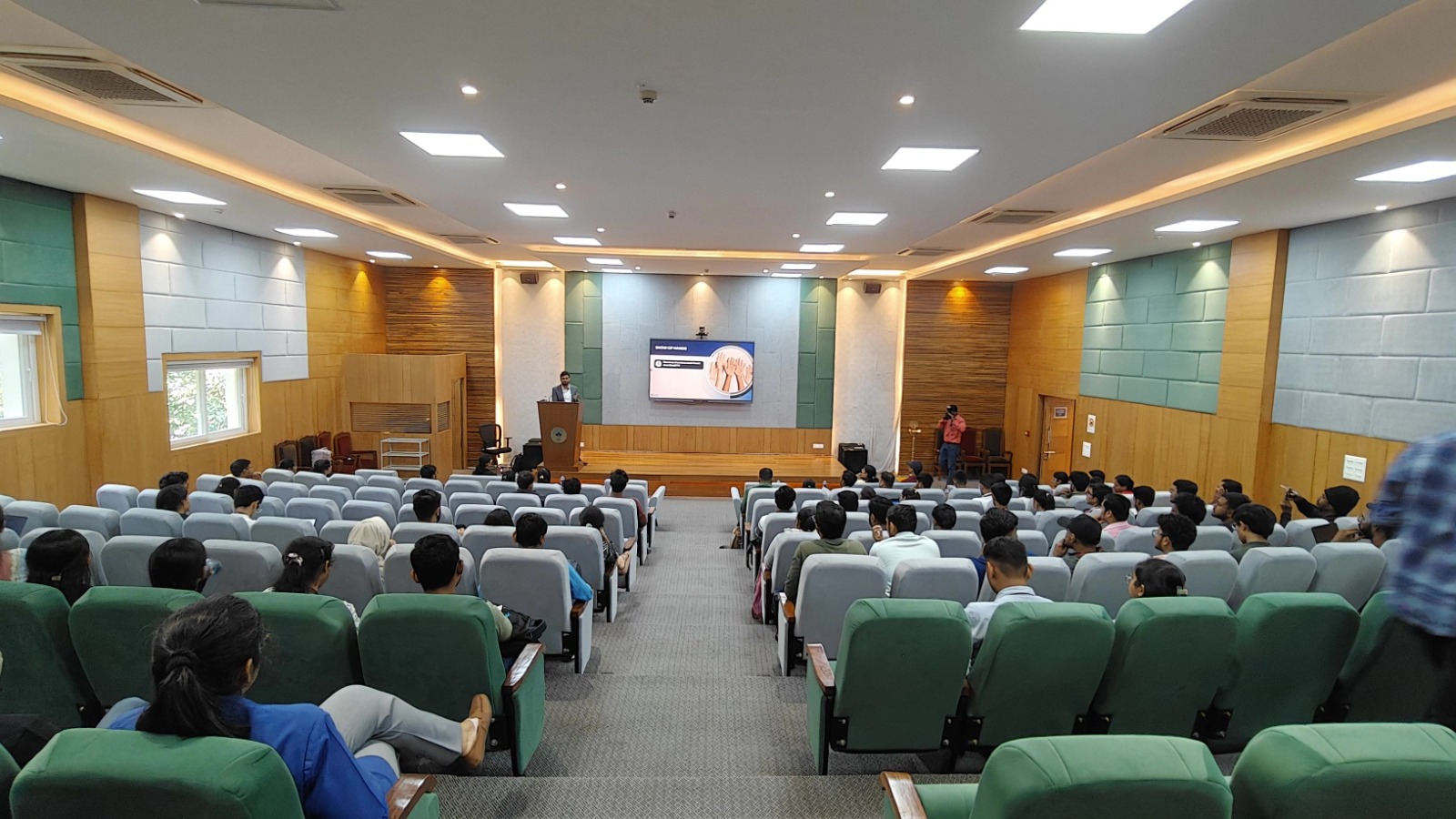
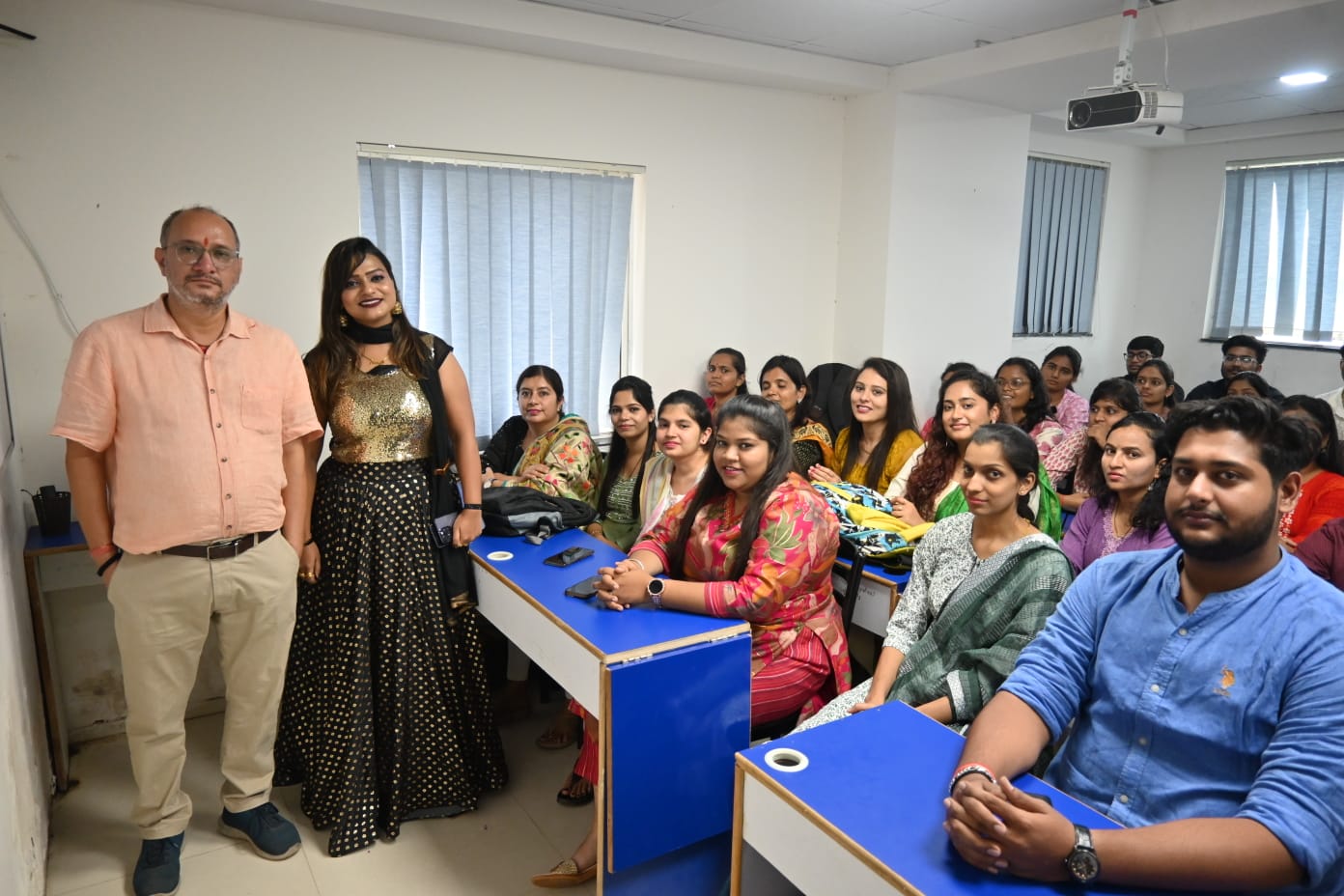
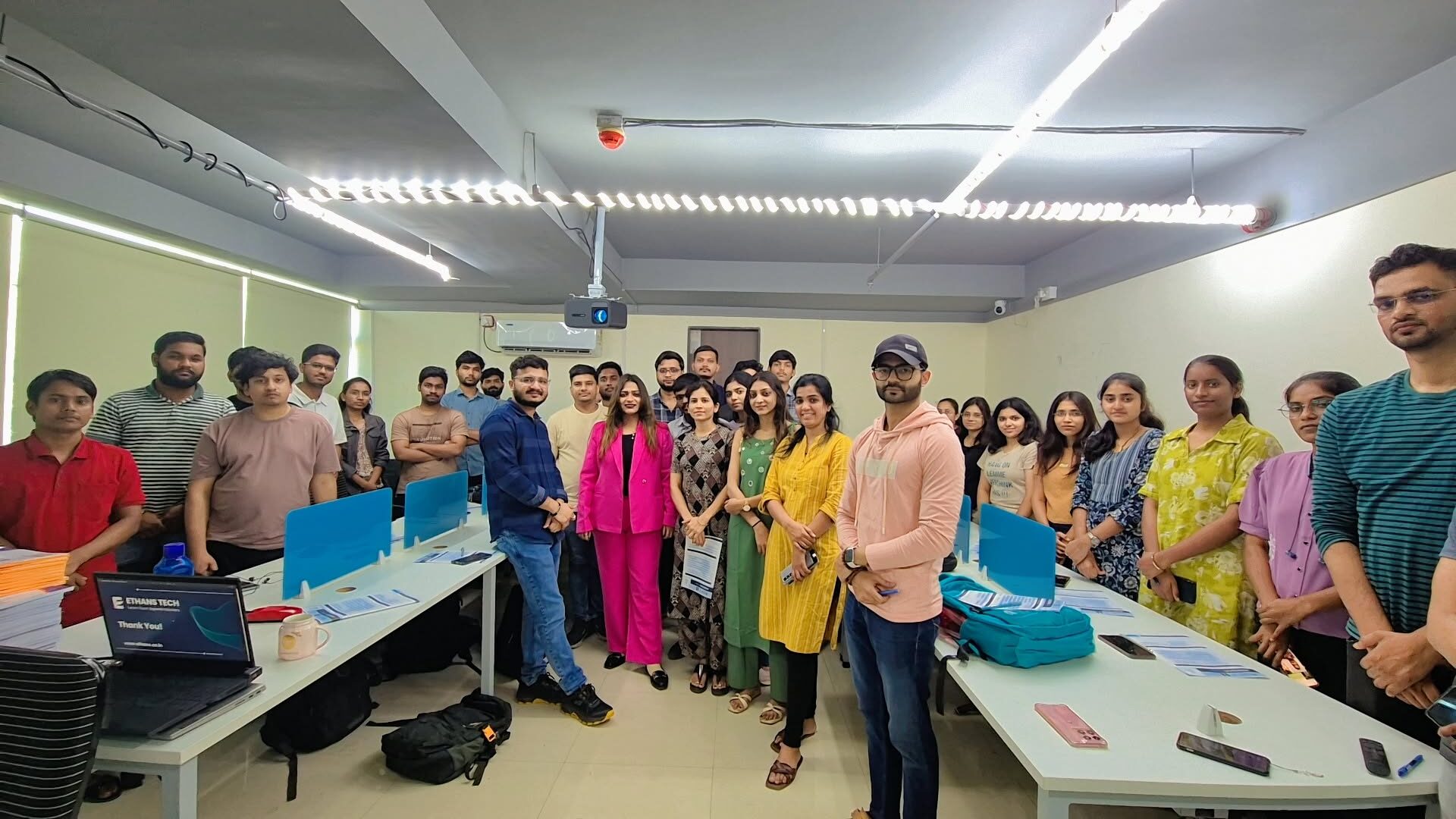
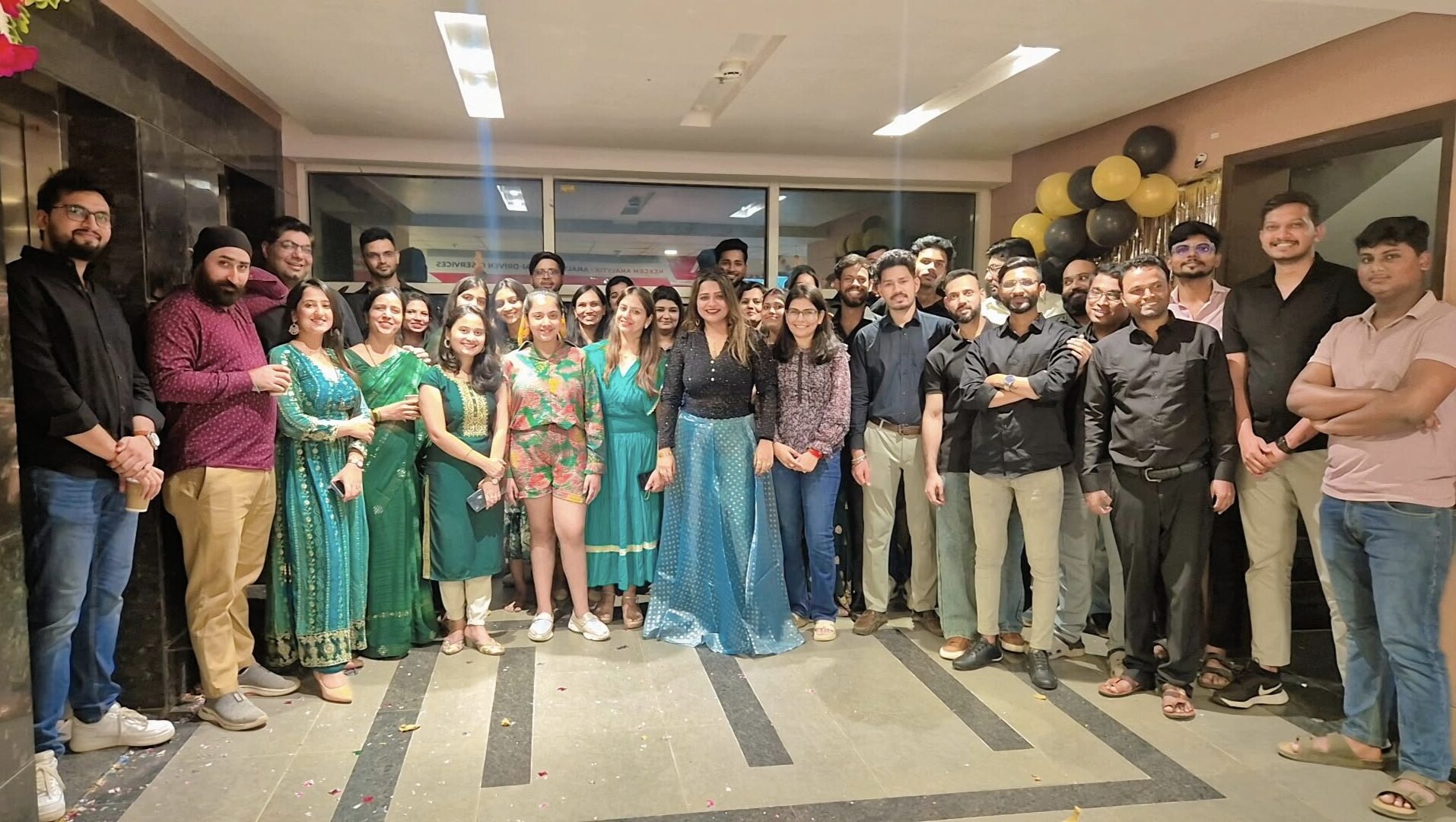
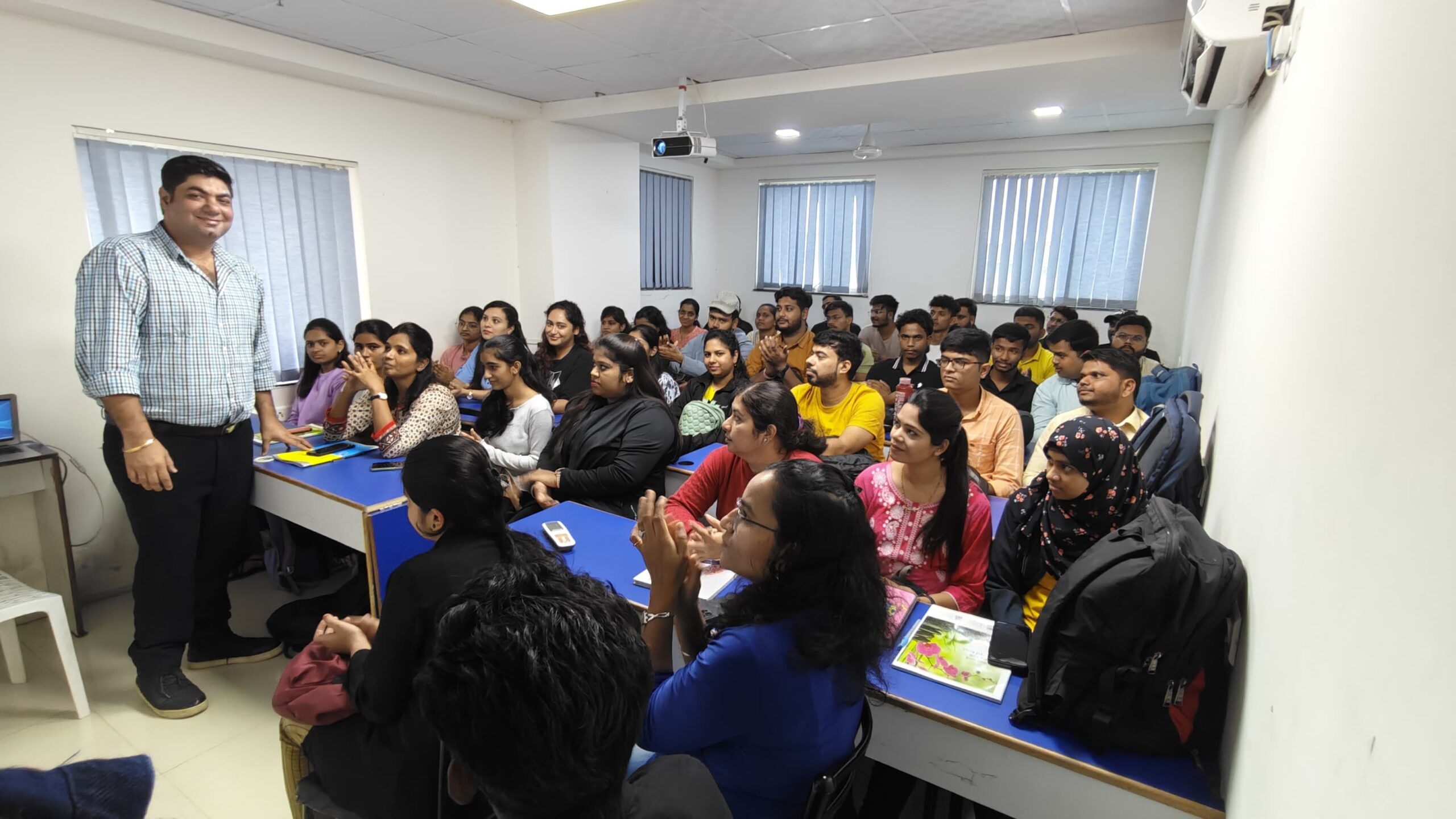
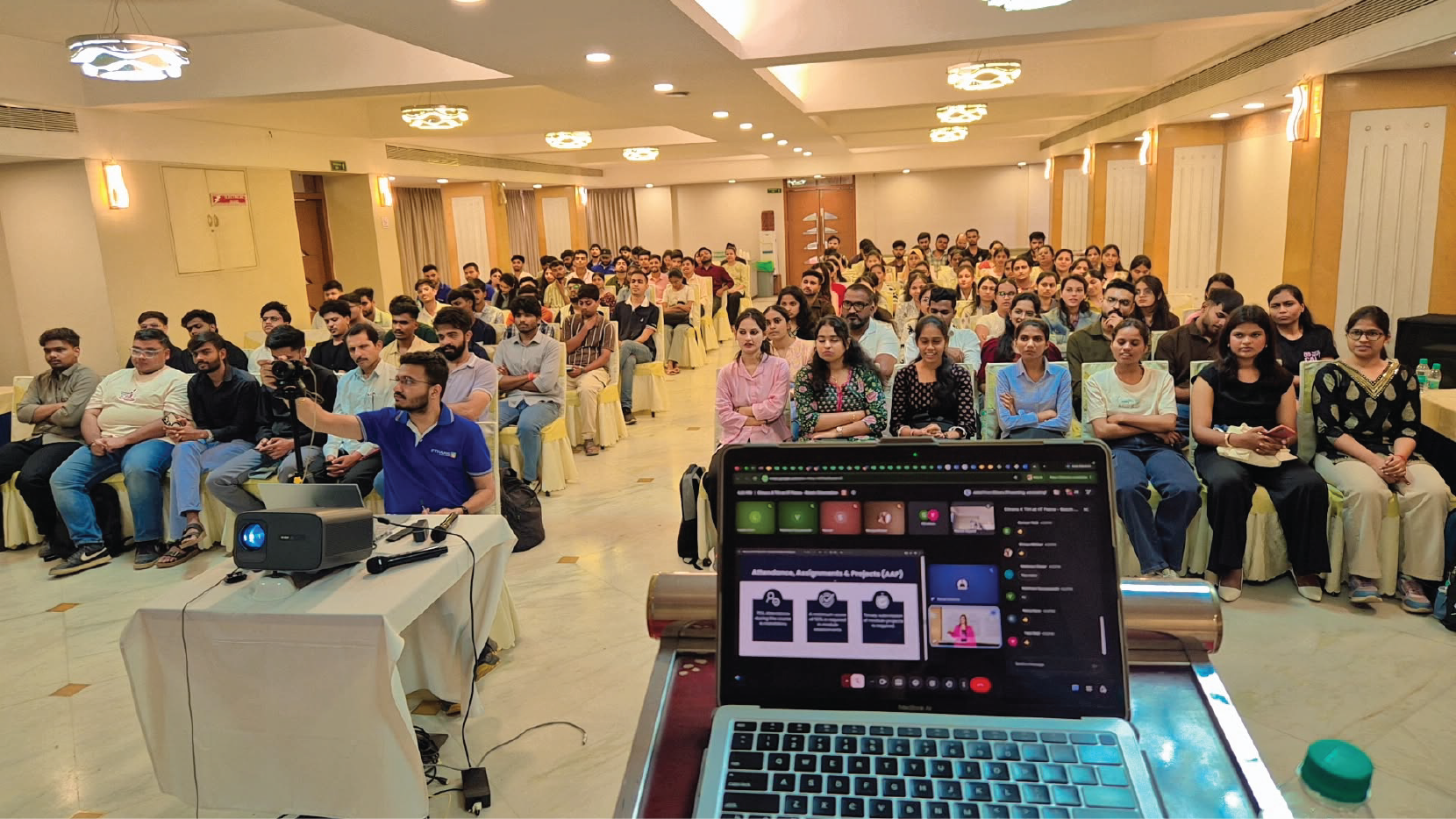
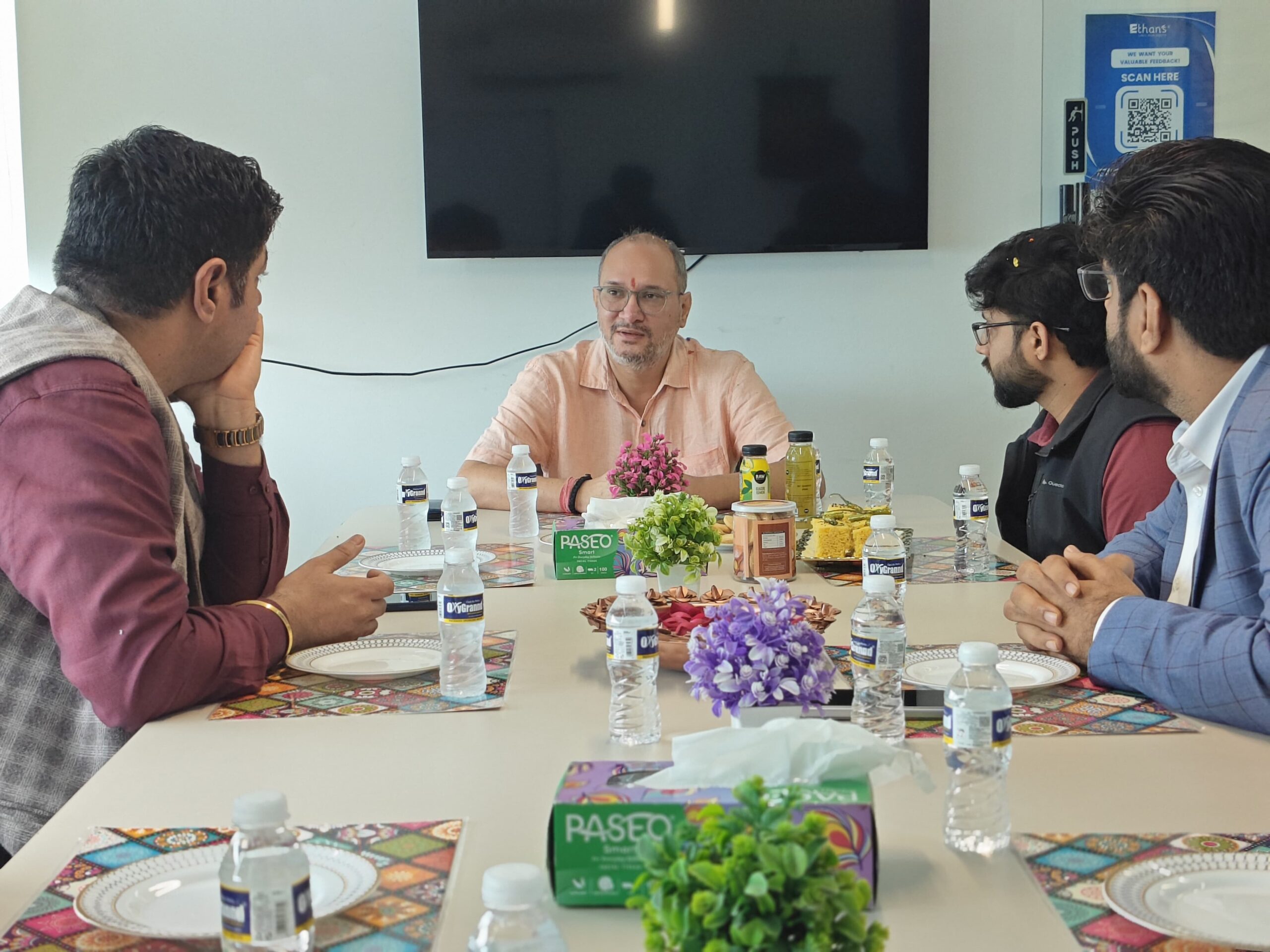
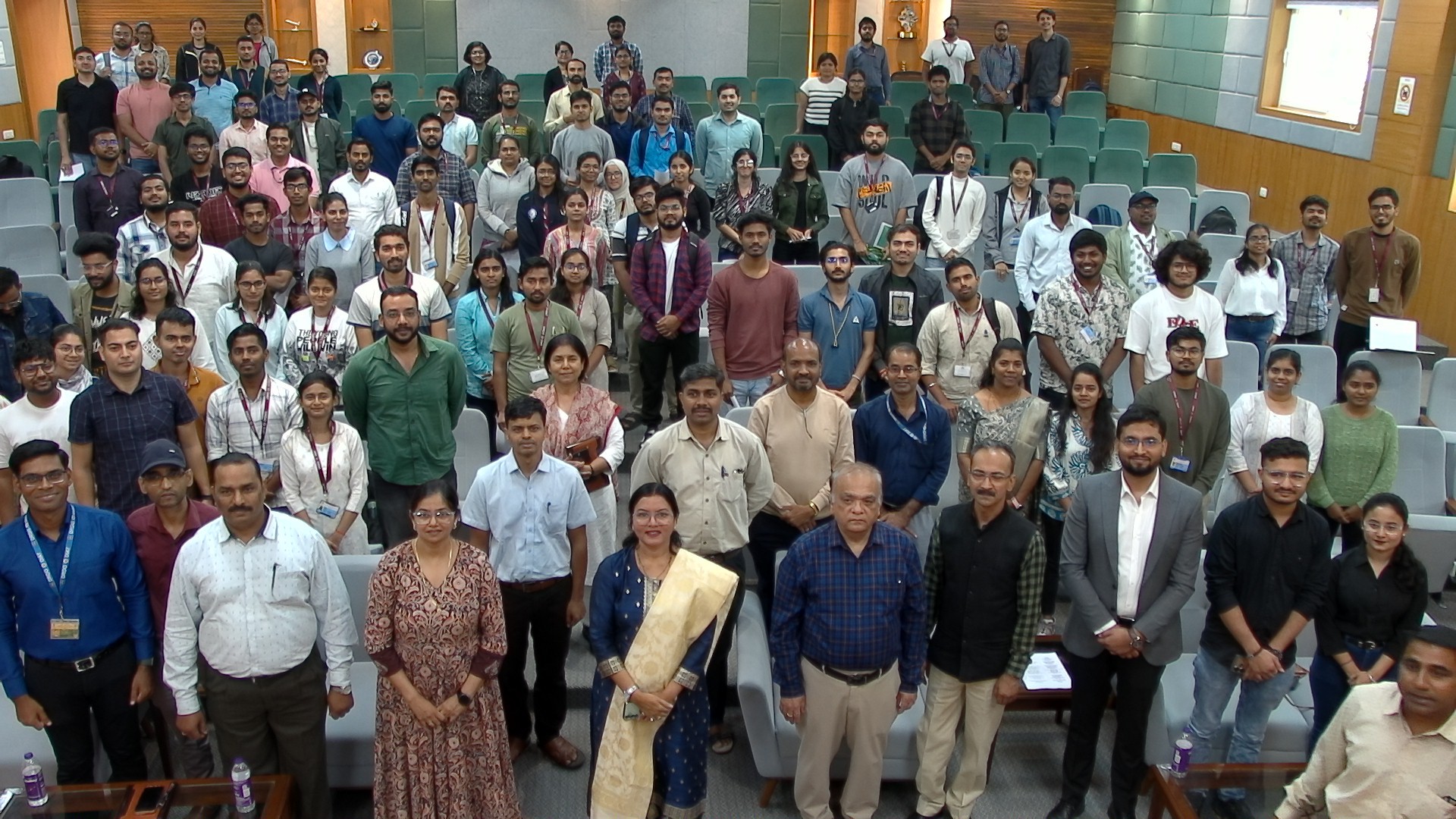
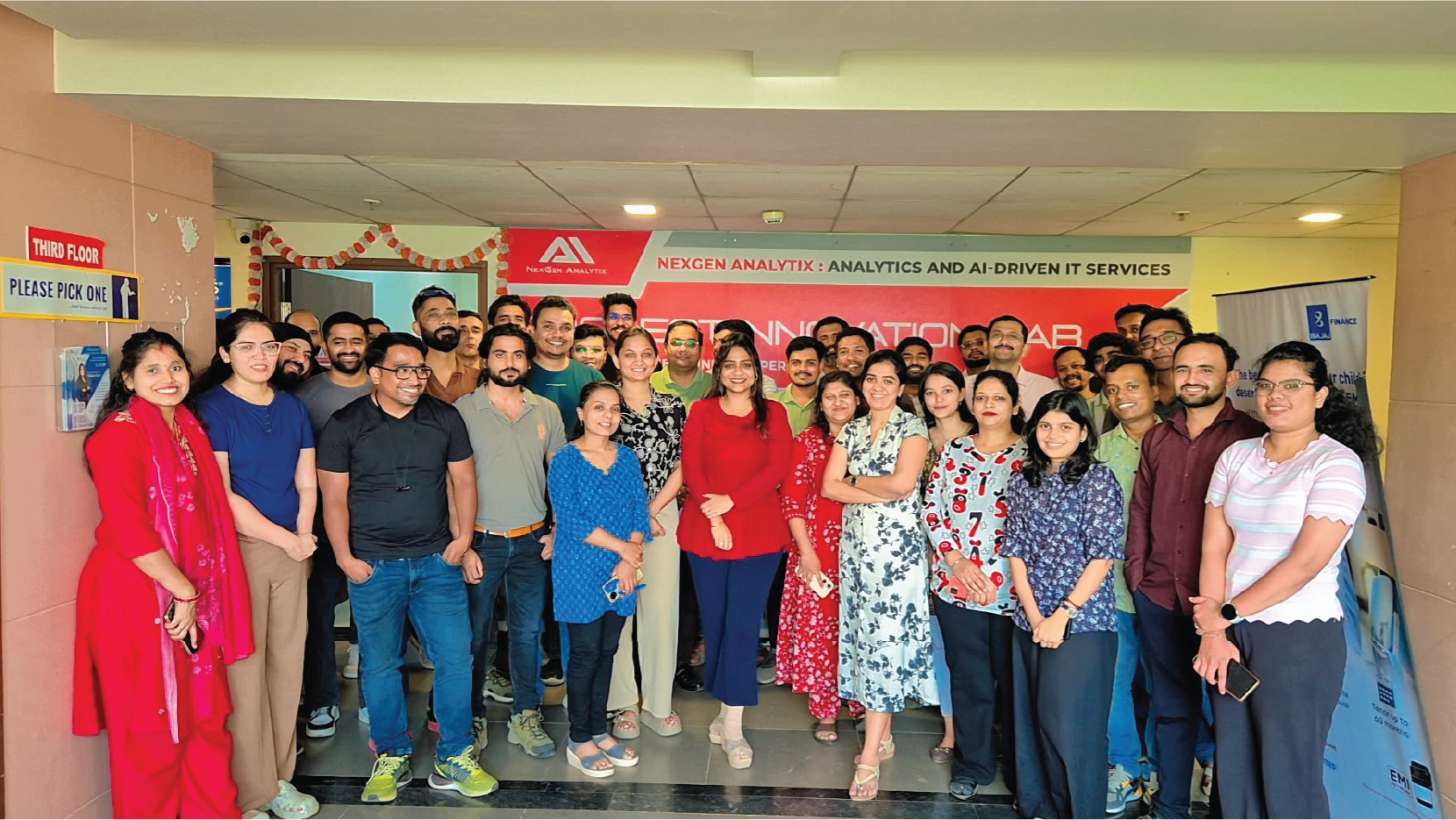


Learn From the Masters
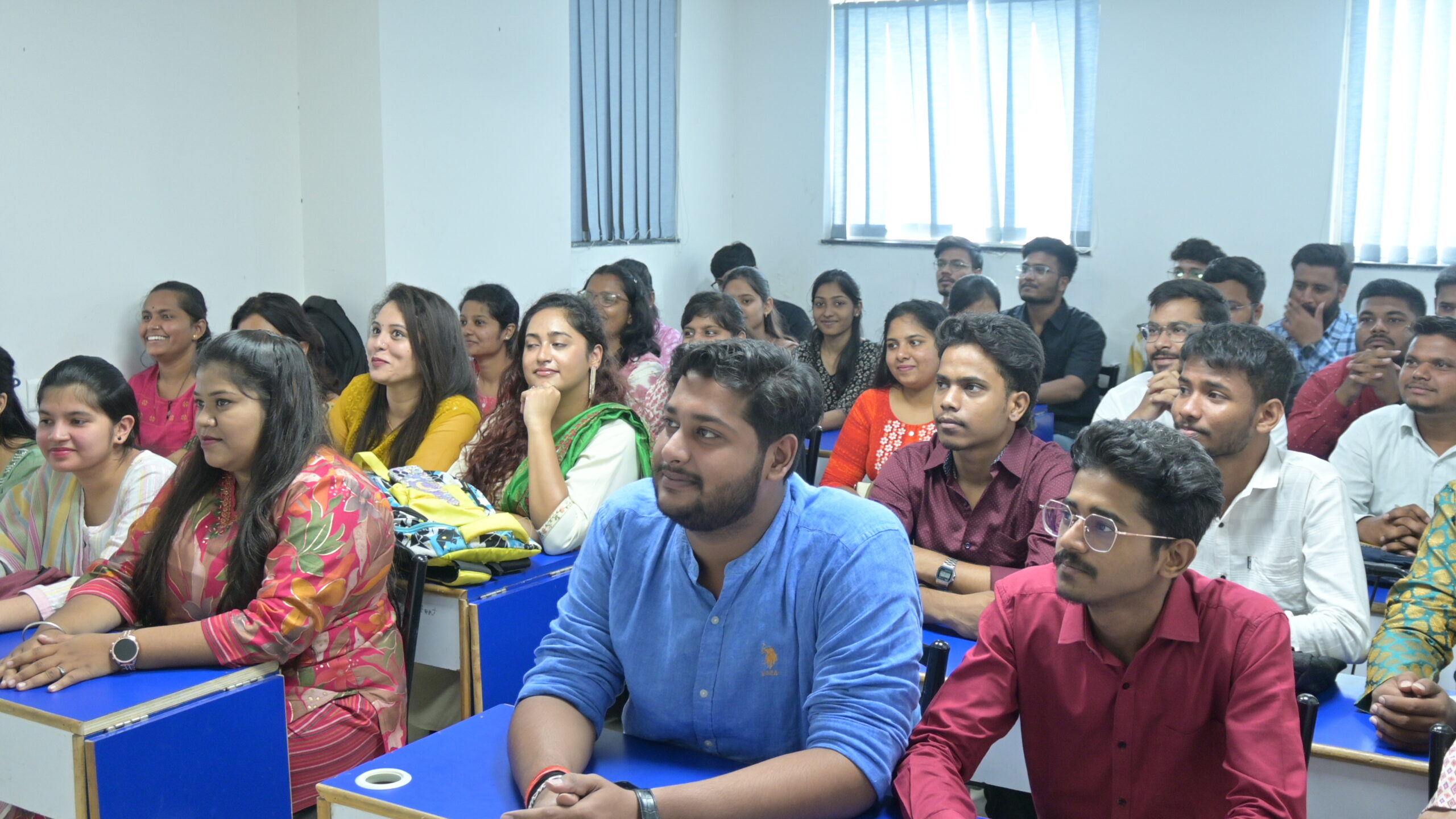
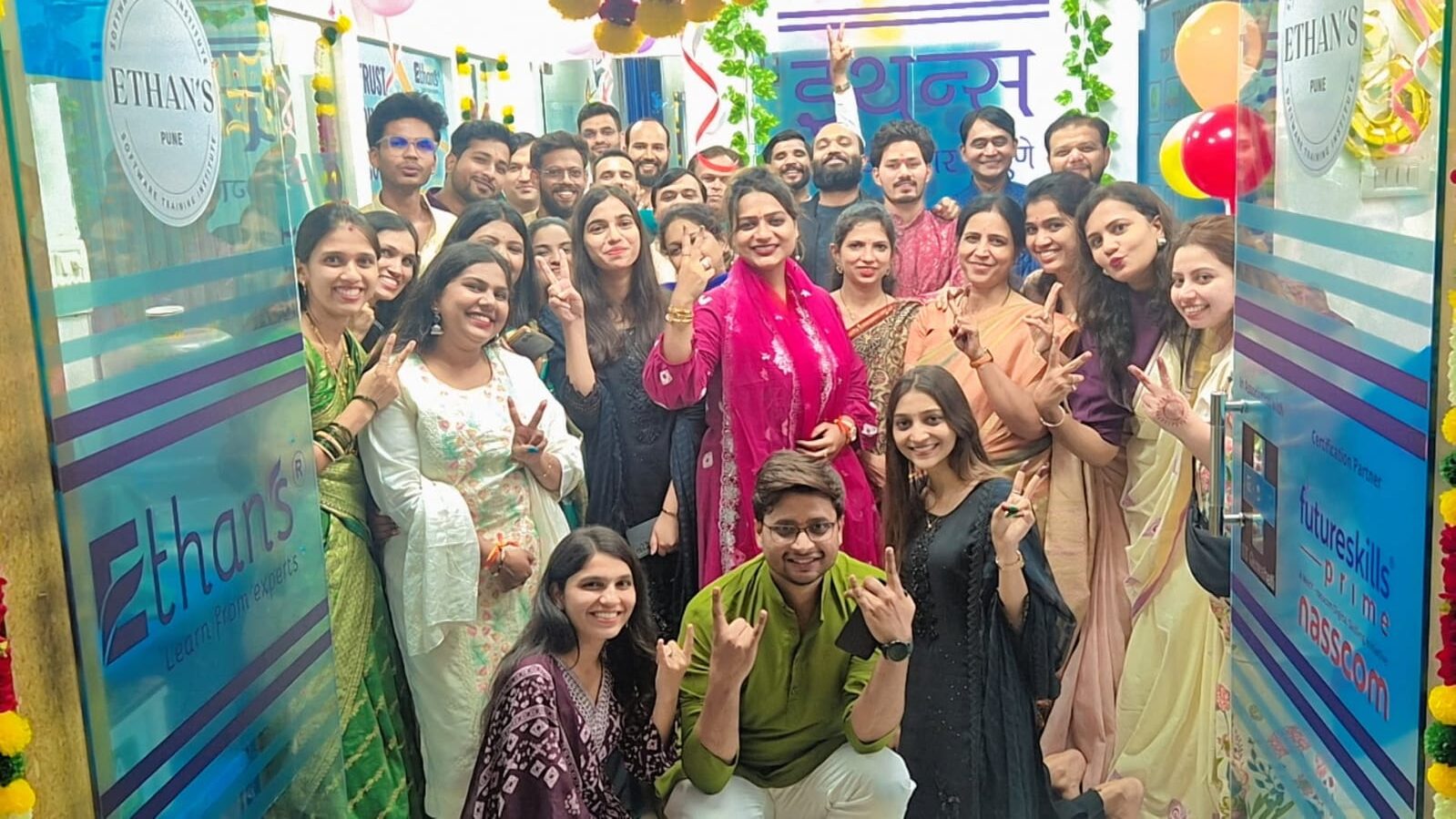
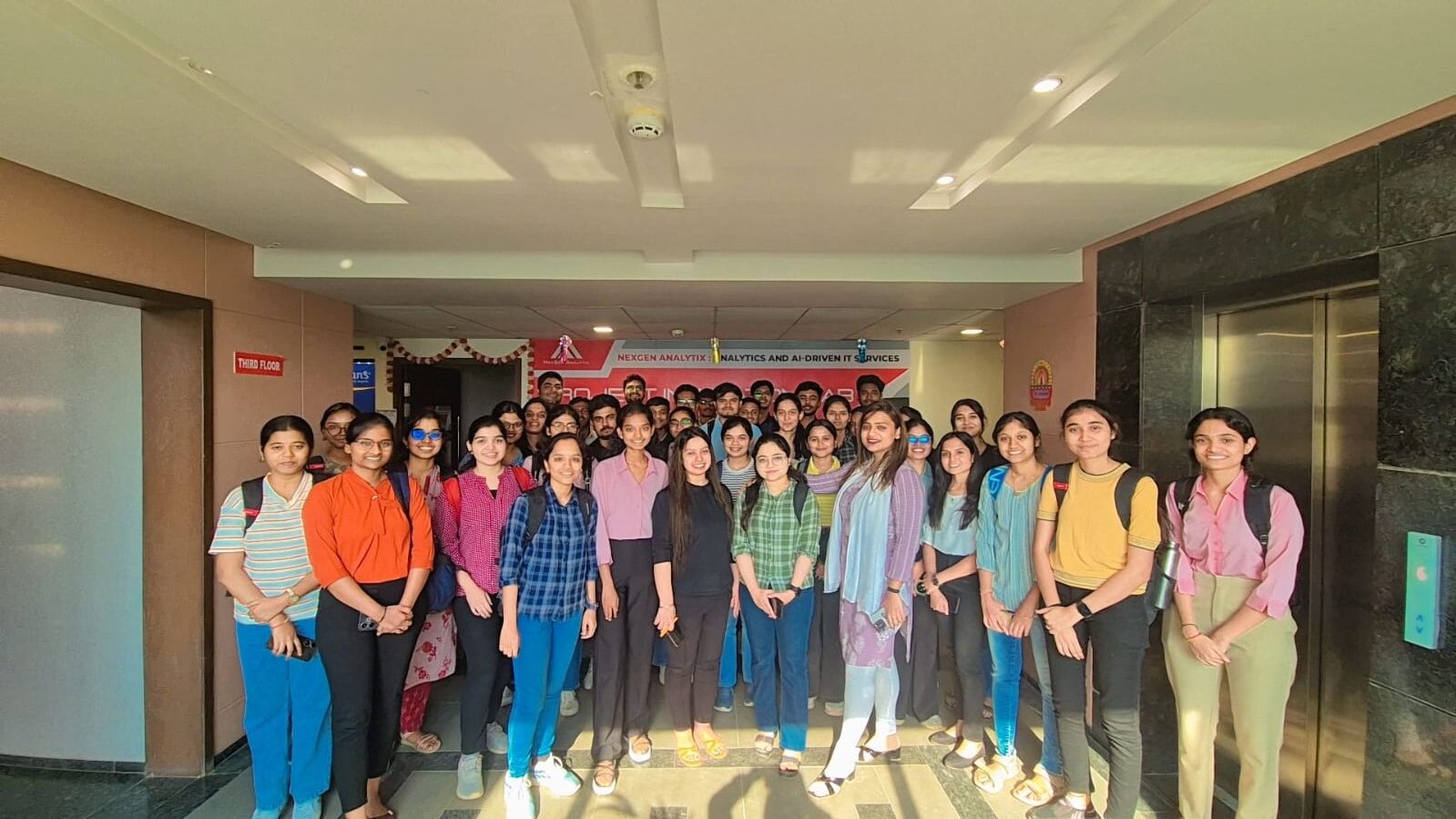
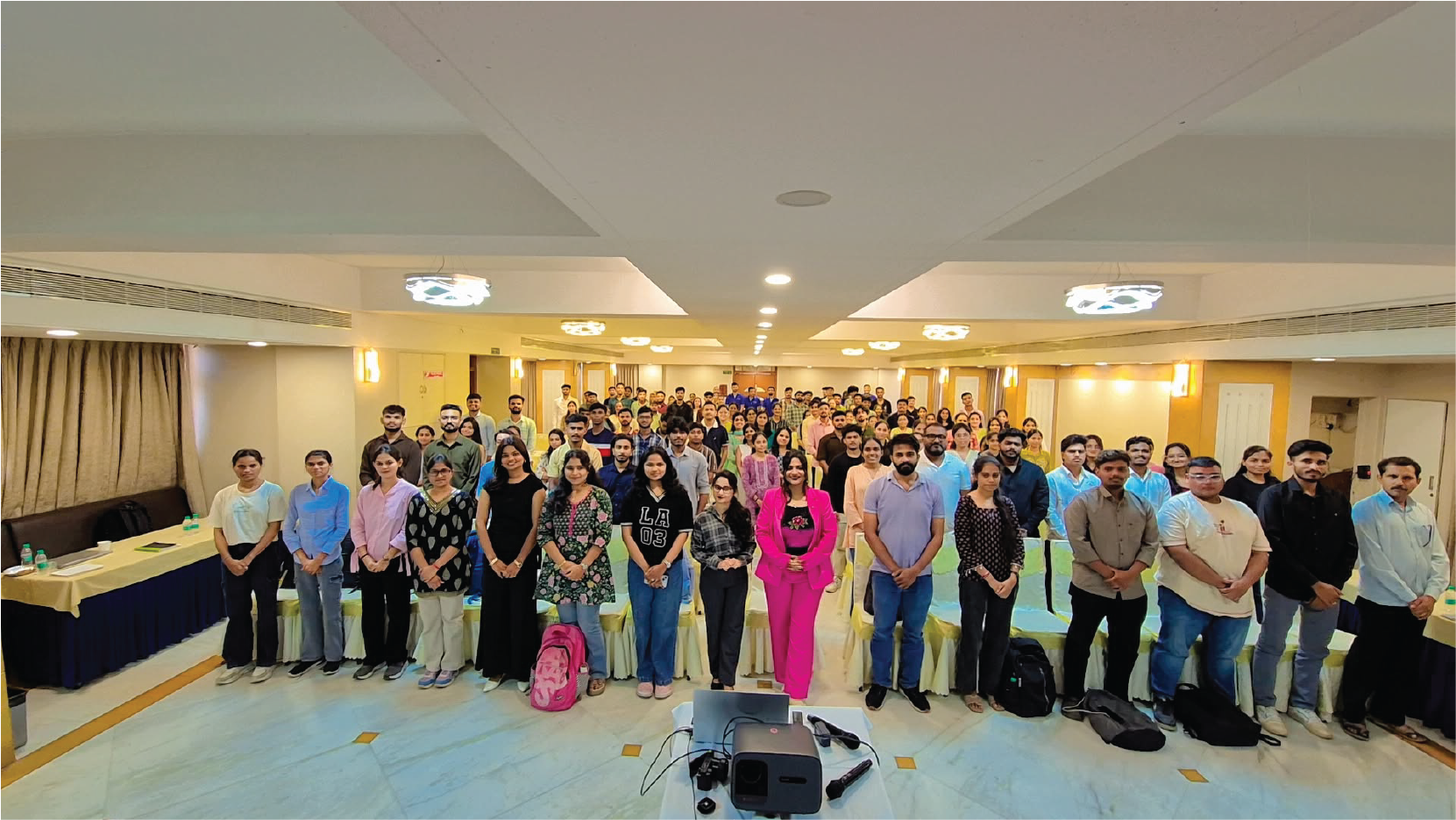
Our team is made up of industry experts, seasoned professionals, and passionate trainers who work together as a close-knit family. We believe in not just teaching, but inspiring and growing together — creating a learning environment that feels like home and performs like the best in the business.

Gurjeet Sir
Ex IIT Kharagpur, AI

Sachin Sir
Ex Microsoft – Azure

Vinit Sir
Ex IIT Bombay, GenAI

Alam Sir
Cloud & DevOps Architect

Jatin Sir
Ex Credit Suisse, Python

Siddhant Sir
Ex IIIT Allahabad, DSA

Raman Sir
Ex-Data Analyst, MuSigma

Anurag Sir
Ex-IIM Bangalore, GenAI

Himanshu Sir
Most Advanced Curriculum in Industry
Introduction to Python & Its Objects
- What is Python?
- History of Python and creator Guido van Rossum
- Why Python is popular
- Applications of Python (Data Science, AI, Web, Automation)
- Python vs other languages
- Writing the first program (Hello World)
- Python syntax basics
- Comments in Python
- Indentation rules
- Variables in Python
- Naming rules
- Basic data types – int, float, str, list, dict, tuple, set, None, Bool
Operators in Python – 1
- Arithmetic operators
- Comparison operators
- Assignment operators
- Membership and identity operators
- Data Handling in int, Str
- Indexing & Slicing in strings
Operators in Python – 2
- Basic operations on list
- Complex List Handling
- Basic operations on tuple
- Complex tuple Handling
- Basic operations on dict
- Complex Dict Handling
Python Built-in functions
- Introduction to Set, None and Bool Objects
- Built-in functions in Python
- input(), len(), type(), abs(), pow(), min(), max(), sum(), range(),
- enumerate(), zip(), map(), filter(), sorted(), reversed(), all(), any(), id(), help(), dir(), isinstance().
Conditonal Statement in Python
- Introduction to Conditional Statements
- if Statement
- if-else Statement
- if-elif-else Statement
- Nested if Statements
- Comparison Operators in Conditions
- Logical Operators (and, or, not)
- Practical Examples of Conditional Statements
Loops in Python – While
- Introduction to while Loop
- Syntax of while Loop
- Flow of Execution in a while Loop
- Using Conditions in while Loop
- Infinite while Loop
- Using break with while Loop
- Using continue with while Loop
- Using pass in while Loop
- While Loop with else Statement
- Nested while Loops
Loops in Python – for
- Introduction to for Loop
- Syntax of for Loop
- Iterating Over a Sequence
- Using range() with for Loop
- Iterating Over Strings
- Iterating Over Lists, Tuples, and Sets
- Iterating Over Dictionaries
- Nested for Loops
- Using break with for Loop
- Using continue with for Loop
- Using pass with for Loop
- Else with for Loop
Comprehension in Python
- Introduction to Comprehensions
- List Comprehension
- Syntax of List Comprehension
- Conditional List Comprehension
- Nested List Comprehension
- Dictionary Comprehension
- Set Comprehension
- Generator Expressions
User Defined Function
- Introduction to User Defined Functions
- Defining a Function using def
- Calling a Function
- Function Parameters and Arguments
- Default Parameters
- Keyword Arguments
- Return Statement
- Multiple Return Values
- Scope of Variables (Local vs Global)
- lambda function
Python object functions
- str – lower(), upper(), strip(), replace(), split(), join(), find(), startswith(), endswith(), count(), capitalize(), title(), swapcase(), isdigit(), isalpha(), isalnum()
- list -m append(), extend(), insert(), remove(), pop(), clear(), index(), count(), sort(), reverse()
- tuple – count(), index()
- dict – keys(), values(), items(), get()
File Handling in Python
- Introduction to File Handling
- Opening a File (open())
- File Modes (r, w, a)
- Reading from a File (read(), readline(), readlines())
- Writing to a File (write(), writelines())
- Closing a File (close())
- Using with Statement for File Handling
- Working with Text Files
Object Oriented Python – 1
- Introduction to Object-Oriented Programming
- Classes and Objects
- Creating a Class & Objects
- __init__() Constructor Method
- Instance Variables and Methods
- Class Variables and Methods
- Encapsulation & Abstraction
Object Oriented Python – 2
- Inheritance
- Method Overriding
- Polymorphism
- Special (Magic/Dunder) Methods
- Exception Handling using try and Except
Python Built in Modules
- Introduction to Python Built-in Modules
- Importing Modules (import, from, as)
- Exploring Modules using dir()
- The math Module
- The datetime Module
- The os Module
- The logging Module
Data Handling with Python (numpy)
- Introduction to NumPy
- Installing and Importing NumPy
- Creating NumPy Arrays
- Array Attributes (shape, size, dtype)
- Indexing and Slicing Arrays
- Array Operations and Arithmetic
- Broadcasting in NumPy
- Reshaping Arrays (reshape(), resize())
- Aggregation Functions (sum(), mean(), min(), max())
- Mathematical Functions in NumPy
- Random Number Generation
- Working with Multi-dimensional Arrays
- Saving and Loading NumPy Arrays
Data Handling with Python (pandas) – 1
- Introduction to Pandas
- Installing and Importing Pandas
- Pandas Series
- Handling Pandas Series
- Pandas DataFrame
- Handling Pandas DataFrane
- Accessing Dataframes
- Reading Data from CSV, Excel, and JSON Files
- Writing Data to Files
Data Handling with Python (pandas) – 2
- Data Selection and Filtering
- Handling Missing Values
- Data Cleaning and Transformation
- Sorting and Ranking Data
- Grouping and Aggregation (groupby())
- Merging and Joining DataFrames
- Basic Data Analysis and Summary Statistics
Data Analysis with Python (matplotlib)
- Introduction to Matplotlib
- Installing and Importing Matplotlib
- Understanding pyplot Module
- Creating Basic Plots
- Line Plot
- Bar Chart
- Histogram
- Scatter Plot
- Pie Chart
- Customizing Plots (Title, Labels, Legends)
- Formatting Axes and Ticks
- Multiple Plots in One Figure
- Subplots
- Grid and Style Customization
Introduction to SQL for Data Analytics – 1
- Primary Key
- Foreign Key
- Relationships
- Schema
- Creating a Database
- Creating a Table
- How SQL Works
- SQL Processing Flow
- SQL Commands
- SQL Command
- Types
- DQL (Data Query Language)
- DML (Data Manipulation Language)
- DDL (Data Definition Language)
- DCL (Data Control Language)
- TCL (Transaction Control Language)
Building Queries: Core SQL Concepts – 1
- Fundamentals of Building SQL Queries
- Session Details
- Learning Objectives
- SQL Online Compiler
- Create a Table in SQL
- Datatypes in SQL
- Numeric Types
- Character/Text Types
- Date & Time Types
- Boolean Type
- Inserting Data into the Table
- Explanation
Building Queries: Core SQL Concepts – 2
- Creating a Table from an Existing Table
- SQL SELECT Query
- Select Specific Columns
- Select All Columns
- SQL SELECT DISTINCT
- SQL WHERE Clause
- Operators in SQL
- Types of SQL Operators
- Comparison Operators
Working with Multiple Tables & Relationships
- Working with Multiple Tables & Relationships
- Learning Objectives
- Create Two Tables
- Customers Table
- Orders Table
- Table Output
- Relationships Between Tables
- Primary and Foreign Keys
- Real-World Table Connections
SQL Joins
- SQL Joins & Case Statements
- Session Details
- Learning Objectives
- What is a JOIN & Why Do We Need It?
- JOIN Syntax
- Types of SQL Joins
- SQL INNER JOIN
- SQL LEFT JOIN
- SQL RIGHT JOIN
- SQL FULL JOIN
- SQL SELF JOIN
- CASE Statements in SQL
- Practice Section
Data Transformation
Understanding Narrow vs. Wide Transformations (Map, Filter vs. GroupBy, Join).
Selecting, renaming, and adding columns using select(), withColumn(), and withColumnRenamed().
Filtering and slicing data with filter() and where().
Handling missing or null values using dropna(), fillna(), and dropDuplicates().
Aggregating data using groupBy(), agg(), and built-in SQL functions.
Applying Built-in and User Defined Functions (UDFs) for advanced column logic.
Lab : Perform end-to-end data cleansing, column manipulation, and multi-field aggregations on a real-world sales dataset.
Type Conversion & Mathematical Operations
- Window Functions & CTEs in SQL
- Session Details
- Learning Objectives
- What is a Window?
- Window Functions in SQL
- Breaking Down the Window Syntax
- PARTITION BY
- ORDER BY
- Types of Window Functions in SQL
- Aggregate Window Functions
- Ranking Window Functions
- Value Functions
Type Conversion & Mathematical Operations (Live Lecture, Quiz, Programming Assignment)
- SQL + Python Integration for Data Analysis
- Session Details
- Learning Objectives
- Why Should We Use SQL + Python Together
- Connecting Python to a SQL Database
- Using a Cursor in SQLite
- Running SQL Queries from Python
- Creating SQLite3 tab
Working with Date, Time & String Functions (Live Lecture, Quiz, Programming Assignment)
- Working with Date, Time & String Functions
- Session Details
- Learning Objectives
- Understanding Real-World Challenges with Dates & Text
- SQL Date and Time Functions
- Common SQL Date & Time Data Types
- NOW()
- CURDATE()
- CURTIME()
- DATE()
- String Functions
- Pattern Matching (LIKE & Wildcards)
Window Functions (Live Lecture, Quiz, Programming Assignment)
- Window Functions in SQL
- Session Details
- Learning Objectives
- What is a Window?
- Window Functions in SQL
- Breaking Down the Window Syntax
- PARTITION BY
- ORDER BY
- Aggregate Window Functions
- Ranking Functions
- Value Functions
Introduction to Data Engineering & ETL
- Understand the role of Data Engineering in modern organizations.
- Learn the ETL process and data warehouse concepts.
- Differentiate between OLTP and OLAP systems.
- Understand batch and streaming data processing.
- Topics Covered
- 1. Introduction to Data Engineering
- Role and responsibilities of a Data Engineer
- Data Engineering lifecycle
- Components of a modern data platform
- Real-world use cases
- 2. ETL Fundamentals
- Definition of ETL (Extract, Transform, Load)
- Importance of ETL in analytics
- ETL workflow stages
- Common ETL tools
- 3. ETL vs ELT
- Architecture comparison
- Advantages and limitations
- Use cases for ETL and ELT
- 4. OLTP vs OLAP Systems
- Transactional databases
- Analytical databases
- Key differences and examples
- Star and Snowflake schema overview
- 5. Data Warehouse Basics
- Data warehouse architecture
- Fact tables and dimension tables
- Data marts
- Historical data management
- 6. Batch Processing vs Streaming Processing
- Batch data pipelines
- Real-time processing concepts
- Examples from banking, ecommerce, and IoT
- 7. Modern Data Platform Architecture
- Data Sources
- Ingestion Layer
- Processing Layer
- Storage Layer
- Reporting and Visualization Layer
- Practical Lab
- Design ETL Pipeline for an Ecommerce Application
- Identify source systems
- Define transformation requirements
- Create target tables
- Draw complete ETL architecture
Extract Layer
- Understand various data sources.
- Learn extraction techniques using Python.
- Implement incremental data extraction.
- Topics Covered
- 1. Data Sources Overview
- Structured data
- Semi-structured data
- Unstructured data
- 2. File-Based Sources
- CSV Files
- Structure of CSV
- Delimiters and encoding
- Reading CSV using Pandas
- Excel Files
- XLS and XLSX formats
- Multiple sheets
- Reading Excel files using Pandas
- 3. Database Sources
- Relational databases
- PostgreSQL connectivity
- SQL queries for extraction
- Selecting required columns
- 4. API Sources
- REST APIs
- JSON response structure
- GET requests
- API authentication basics
- 5. Incremental Load Concepts
- Full extraction vs incremental extraction
- Timestamp-based extraction
- Watermark concept
- Change Data Capture (CDC) overview
- Practical Lab
- Lab 1: Extract Data from CSV
- Read customer data using Pandas
- Display and inspect records
- Lab 2: Extract Data from PostgreSQL
- Connect to PostgreSQL using Python
- Execute SQL queries
- Load data into DataFrames
- Lab 3: API Data Extraction
- Consume public REST API
- Parse JSON response
- Convert JSON into DataFrame
Transform Layer
- Perform data cleaning and validation.
- Apply business transformation rules.
- Prepare data for loading into target systems.
- Topics Covered
- 1. Data Transformation Fundamentals
- Importance of data quality
- Types of transformations
- 2. Data Cleaning
- Removing unwanted columns
- Standardizing values
- Formatting text and dates
- 3. Handling Missing Values
- Null identification
- Replace with default values
- Forward fill and backward fill techniques
- 4. Duplicate Removal
- Detect duplicate records
- Remove duplicate rows
- Define uniqueness criteria
- 5. Business Rules
- Derived columns
- Categorization logic
- Conditional transformations
- 6. Data Validation
- Range checks
- Mandatory field checks
- Data type validation
- Referential integrity checks
- 7. Data Standardization
- Date formats
- String formatting
- Case conversion
- Data enrichment concepts
- Practical Lab
- Customer Data Cleansing
- Load raw customer data
- Remove duplicate records
- Handle null values
- Standardize names and dates
- Validate business rules
- Generate clean output dataset
Load Layer
- Understand loading strategies.
- Implement audit and logging mechanisms.
- Build an end-to-end ETL pipeline.
- Topics Covered
- 1. Loading Concepts
- Source to target loading process
- Loading challenges
- 2. Full Load
- Complete data refresh
- Advantages and limitations
- Use cases
- 3. Incremental Load
- Delta load concept
- Timestamp-based loading
- High watermark approach
- 4. Upsert Operations
- Insert records
- Update existing records
- Merge concepts
- Slowly Changing Dimensions (Introduction)
- 5. Audit Tables
- ETL execution metadata
- Batch ID
- Start time and end time
- Record counts
- Success and failure status
- 6. Logging and Error Handling
- Application logs
- Exception handling
- Retry mechanism
- Error tables
- 7. Performance Considerations
- Commit frequency
- Bulk loading
- Transaction management
- Practical Lab
- Build Complete ETL Pipeline
- Extract customer data from CSV/PostgreSQL.
- Apply transformations and validation rules.
- Load data into PostgreSQL target table.
- Implement incremental loading.
- Create audit table.
- Generate execution logs.
- Validate loaded data.
Introduction to Big Data & Spark
- Need for Big Data and limitations of traditional systems.
- Hadoop ecosystem overview.
- Apache Spark overview and use cases.
- Spark architecture, Driver, Executors, and Cluster Manager.
- Spark components: Spark SQL, Streaming, MLlib, GraphX.
- Lab: Install PySpark locally, configure environment, create SparkSession, and execute the first Spark application.
Spark DataFrames
- Difference between RDD and DataFrame.
- Creating DataFrames and understanding schema inference.
- Defining explicit schemas.
- Reading CSV, JSON, and Parquet files.
- Exploring data using show(), printSchema(), and describe().
- Lab: Load customer dataset from CSV, JSON, and Parquet files and inspect schema and sample records.
Data Transformations
- DataFrame immutability.
- select(), filter(), and where() operations.
- Creating columns using withColumn().
- Data type conversion using cast().
- Conditional expressions using when() and otherwise().
- Sorting, distinct, and handling null values.
- Lab: Process sales data by filtering records, creating calculated columns, converting data types, and categorizing records using conditional logic.
Aggregations
- Aggregate functions and groupBy().
- count(), sum(), avg(), min(), and max().
- Multiple aggregations using agg().
- Sorting aggregated results.
- Introduction to window functions.
- Lab: Perform sales analytics to calculate total sales by region, average revenue by category, and identify top-performing products.
Joins & Performance
- Inner, Left Outer, Right Outer, and Full Outer Joins.
- Broadcast Join and Cross Join overview.
- Partitioning concepts, repartition(), and coalesce().
- Caching, persistence, lazy evaluation, and DAG execution.
- Lab: Join customer and order datasets, apply broadcast joins, optimize execution using cache(), and experiment with repartitioning.
Spark ETL Project
- ETL workflow and best practices.
- Extracting data from CSV files.
- Data cleaning and transformations.
- Joining customer and order datasets.
- Aggregations and data quality checks.
- Writing output in Parquet format and understanding partitioned storage.
- Lab: Build an end-to-end ETL pipeline using Customer.csv and Orders.csv and generate analytical output datasets in Parquet format.
Airflow Fundamentals
- Introduction to Workflow Orchestration and Apache Airflow.
- Airflow Architecture and Components.
- Directed Acyclic Graphs (DAGs).
- Tasks and Dependencies.
- Types of Operators (PythonOperator, BashOperator, EmailOperator, etc.).
- Scheduling Concepts and Cron Expressions.
- Airflow Connections and Variables.
- Airflow UI Overview and Monitoring.
- Lab: Install and configure Apache Airflow locally, initialize metadata database, create user account, start web server and scheduler, and execute a sample DAG.
Production ETL Orchestration
- Designing ETL Workflows using Airflow.
- Creating and Managing DAGs.
- Task Dependencies and Execution Flow.
- Extract, Transform, and Load Stages.
- Scheduling and Automation of Pipelines.
- Retry Mechanism and Failure Handling.
- Logging and Monitoring of Tasks.
- Email Notifications and Alerts.
- Best Practices for Production Pipelines.
- Lab: Create an end-to-end ETL DAG to extract data from source files, perform transformations, load processed data into the target system, configure retries and logging, and enable email alerts for failed tasks.
Azure Fundamentals
- Introduction to Microsoft Azure and Cloud Computing concepts.
- Azure Regions and Availability Zones.
- Resource Groups and Resource Management.
- Identity and Access Management (IAM) and Role-Based Access Control (RBAC).
- Azure Storage Account types and features.
- Overview of Azure Portal and Resource Organization.
- Lab: Create Azure subscription resources, configure Resource Groups, create Storage Accounts, and explore the Azure environment.
Azure Storage Services
- Azure Blob Storage concepts.
- Containers and Blob organization.
- Storage Access Tiers (Hot, Cool, Archive).
- Lifecycle Management Policies.
- Data Redundancy Options and Security Basics.
- Lab: Create Blob containers, upload files, organize datasets, and configure lifecycle policies.
Azure Data Lake Gen2
- Introduction to Azure Data Lake Storage Gen2.
- Hierarchical Namespace Architecture.
- Directory and File Organization.
- Data Partitioning Strategies.
- Naming Conventions and Best Practices.
- Data Lake Security Concepts.
- Lab: Create an ADLS Gen2 account, build directory structures, and upload datasets.
Azure Data Factory Fundamentals
- Introduction to Azure Data Factory (ADF).
- Pipelines and Activities.
- Linked Services and Datasets.
- Integration Runtime.
- Trigger Types and Pipeline Execution.
- Monitoring and Debugging Basics.
- Lab: Create an ADF instance, configure linked services, and build a basic pipeline.
Azure Data Factory Copy Activities
- Copy Activity Architecture.
- Source and Sink Datasets.
- Data Movement Patterns.
- Parameterization Concepts.
- Pipeline Monitoring and Validation.
- Lab: Create pipelines to copy data from CSV files to ADLS Gen2 and from SQL databases to ADLS Gen2.
Azure Data Factory Data Flows
- Mapping Data Flows.
- Data Transformation Activities.
- Derived Columns and Filters.
- Aggregations and Conditional Splits.
- Debugging and Monitoring Data Flows.
- Lab: Transform customer datasets using Mapping Data Flows and validate transformed outputs.
Azure Synapse Analytics Fundamentals
- Introduction to Azure Synapse Analytics.
- Synapse Workspace Architecture.
- SQL Pools and Spark Pools.
- Integration with Azure Data Lake.
- Synapse Studio Overview.
- Lab: Create a Synapse workspace and configure SQL and Spark pools.
Synapse SQL Analytics
- Dedicated SQL Pool Concepts.
- Serverless SQL Pool Concepts.
- External Tables and OPENROWSET.
- Query Optimization Basics.
- Data Exploration and Analytics.
- Lab: Query files stored in Data Lake using Serverless SQL and Dedicated SQL Pools.
Synapse Spark Analytics
- Spark Pools in Synapse.
- Creating and Managing Notebooks.
- Reading and Writing Data with PySpark.
- Data Transformations and Aggregations.
- Integration with Data Lake Storage.
- Lab: Create and execute PySpark notebooks within Synapse Analytics.
Delta Lake and Lakehouse Architecture
- Introduction to Delta Lake.
- ACID Transactions and Time Travel.
- Lakehouse Architecture Concepts.
- Medallion Architecture (Bronze, Silver, Gold Layers).
- Data Quality and Optimization Strategies.
- Lab: Implement Bronze, Silver, and Gold layers and build a Medallion Architecture using Delta Lake.
Monitoring, Security, and Governance
- Azure Key Vault.
- Managed Identity.
- Access Control and Security Best Practices.
- Monitoring and Alerts.
- Logging and Diagnostic Settings.
- Cost Management and Governance Basics.
- Lab: Secure Azure Data Factory connections using Managed Identity and Key Vault, and configure monitoring and alerts.
Azure Databricks Fundamentals
Consolidated Workshop (2.5Hrs Total )
Difference between Azure Databricks Architecture, Workspaces, and Clusters
Navigating the Workspace UI, Notebooks, and Library Management.
Key Databricks concepts: Compute Options, Jobs, and Workflows.
Understanding the Unity Catalog and basic Data Governance.
Difference between RDD and DataFrame, with direct emphasis on DataFrame usage.
Direct-to-table data loading with explicit schemas and schema evolution.
Optimizing Parquet and Delta Lake tables for read and write efficiency.
Essential PySpark DataFrame actions: select, filter, and with Column.
- Consolidated Lab: Connect to a workspace, create a cluster, load customer data from multiple file formats into an optimized Delta table, apply a schema, and perform a basic filter operation.
Unlock 20,000+ Worth of Premium Bonuses 100% FREE!
Join Any Data/Al Mentorship Program Today and Get Exclusive Learning Perks at Zero Cost!


Master the Best Tech Tools


Industry Projects
Project 01
Data Engineering Project on Cloud Data Warehouse Optimization
Project 02
Big Data Processing Project using Spark & PySpark Framework
This project focuses on processing large-scale datasets using Spark, implementing transformations, optimizing performance, and generating insights from distributed data.
Project 03
ETL & Analytics Engineering Project using dbt Framework
Project 04
Generative AI Project for Intelligent Business Assistant
Trusted by Leading Platforms

Top-Rated Institute

Featured for Excellence

Proud member

Academic Partner

Data Engineer & Gen Al – Program Highlights
- 06+ Hands-on Industry Projects – Build real-world data engineering pipelines, GenAI applications, and analytics solutions using cloud-scale datasets.
- End-to-End Data Engineering & GenAI Training – Learn SQL, ETL, dbt, Spark, Airflow, Azure Data Engineering, LLMs, RAG, and agent-based AI systems.
- Real-World GenAI Use Cases – Design agents, document Q&A systems, analysts, and business assistants using LangChain, AutoGen, and LangGraph.
- Internship-Integrated Program in Cloud Computing & DevOps – Learn and apply your skills in real business environments with hands-on internship experience.
- Cloud & Big Data Focus – Gain hands-on experience with Azure Databricks, ADLS Gen2, Synapse, scalable data warehouses, and distributed data processing.
- Job-Ready Data Engineer Skillset – Master pipeline design, orchestration, performance optimization, data modeling, and AI-driven automation.
- 100% Career Support – Resume building, mock interviews, career mentoring, and access to hiring partners for Data Engineer & GenAI roles.
- Recognized Certification – Earn an industry-recognized certification with complete career launch support as a Data Analytics professional.
- Receive industry-recognized certification and 100% placement support, including resume building, mock interviews.
Up-Skill with an Industry-Recognized Certificate
Gain a competitive edge in the job market with our industry-recognized certification, designed to validate your skills and elevate your career.

TIH at IIT Patna
Recognized certification from TIH at IIT Patna, adding strong credibility and value to your resume.
Industry Relevant Skills
Demonstrates practical knowledge and industry-relevant skills aligned with modern technologies and real-world applications.
Continuous Learning and Enhances Career Opportunities
Reflects commitment to continuous learning and enhances career opportunities in tech and innovation-driven fields.

Validated Certification from Ethans Tech
Receive a professional certificate that validates your expertise and is recognized across leading IT companies.
Training Backed by Real-World Expertise
Ethans Tech follows a practical, hands-on training approach aligned with industry needs, boosting your job readiness.
Professional Credential for Career Growth
Showcase your technical skills with a credible certificate that strengthens your portfolio and improves hiring prospects.
Master 12+ In-demand Skills in Data Engineer & Gen Al
- Data Engineering Fundamentals
- dbt for Analytics Engineering
- Data Lake & Storage Management
- Data Warehousing & Dimensional Modeling
- Big Data Processing with Spark & PySpark
- Generative AI & Prompt Engineering
- SQL for Analytics & Engineering
- Workflow Orchestration with Apache Airflow
- LLM, RAG & Agent-Based Systems
- ETL & ELT Pipeline Development
- Cloud Data Engineering on Azure
- End-to-End Data & AI Project Deployment
Why to Join this Program
Guest Lectures by IIT professors
Virtual guest lectures by alumni and faculty from various IITs (separate from regular curriculum)
Ethan’s Tech Career Track
Flexible timelines to complete your course and projects at your own pace
IIT Approved Mentors
Get personalized guidance and career insights from experienced professionals
Advance Curriculum
Master concepts from basic to expert level through structured, applied learning
4.7

4.6

4.5

Next Batch Starts on
8th Sep, 2026
What our Students Say
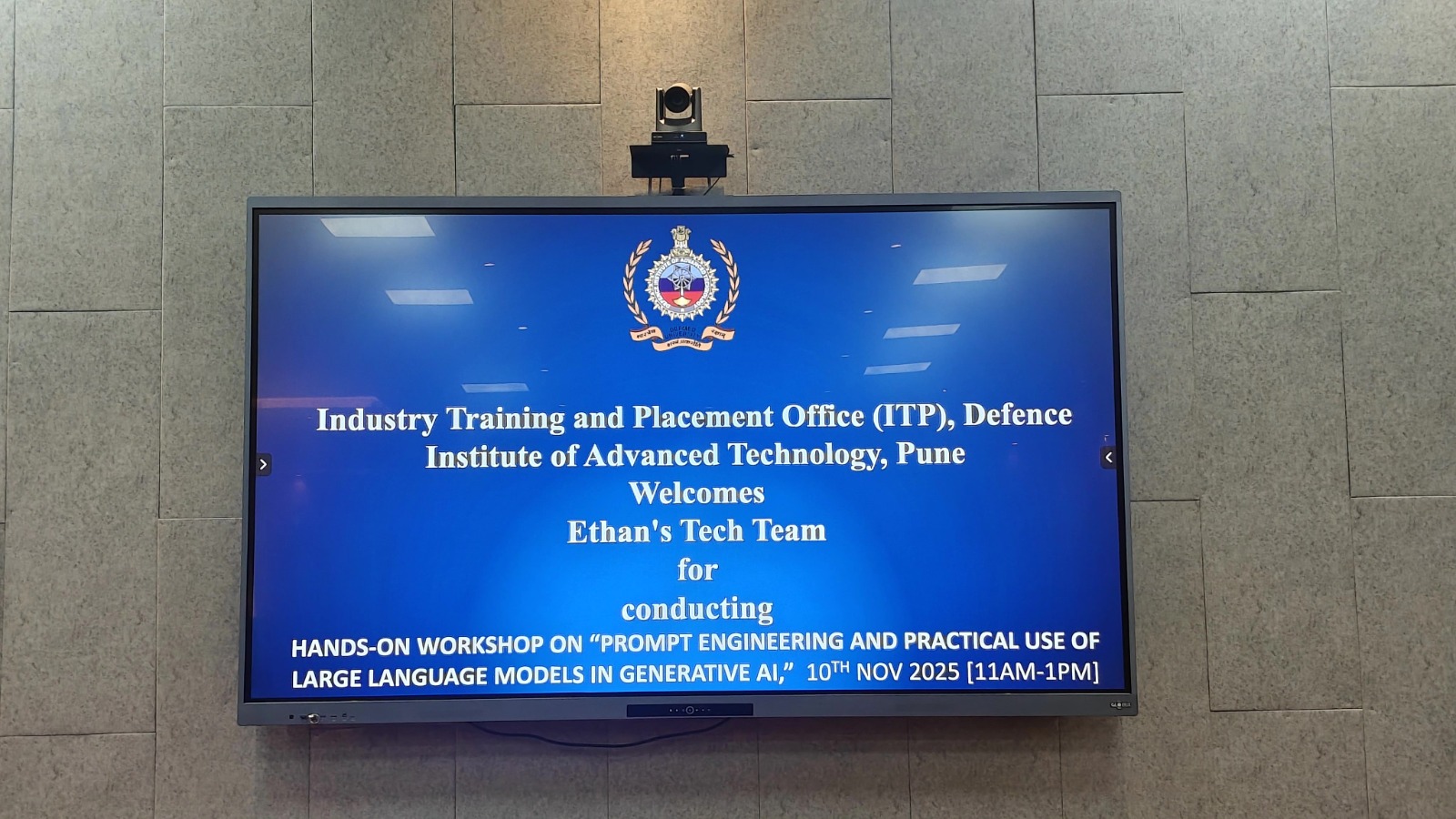
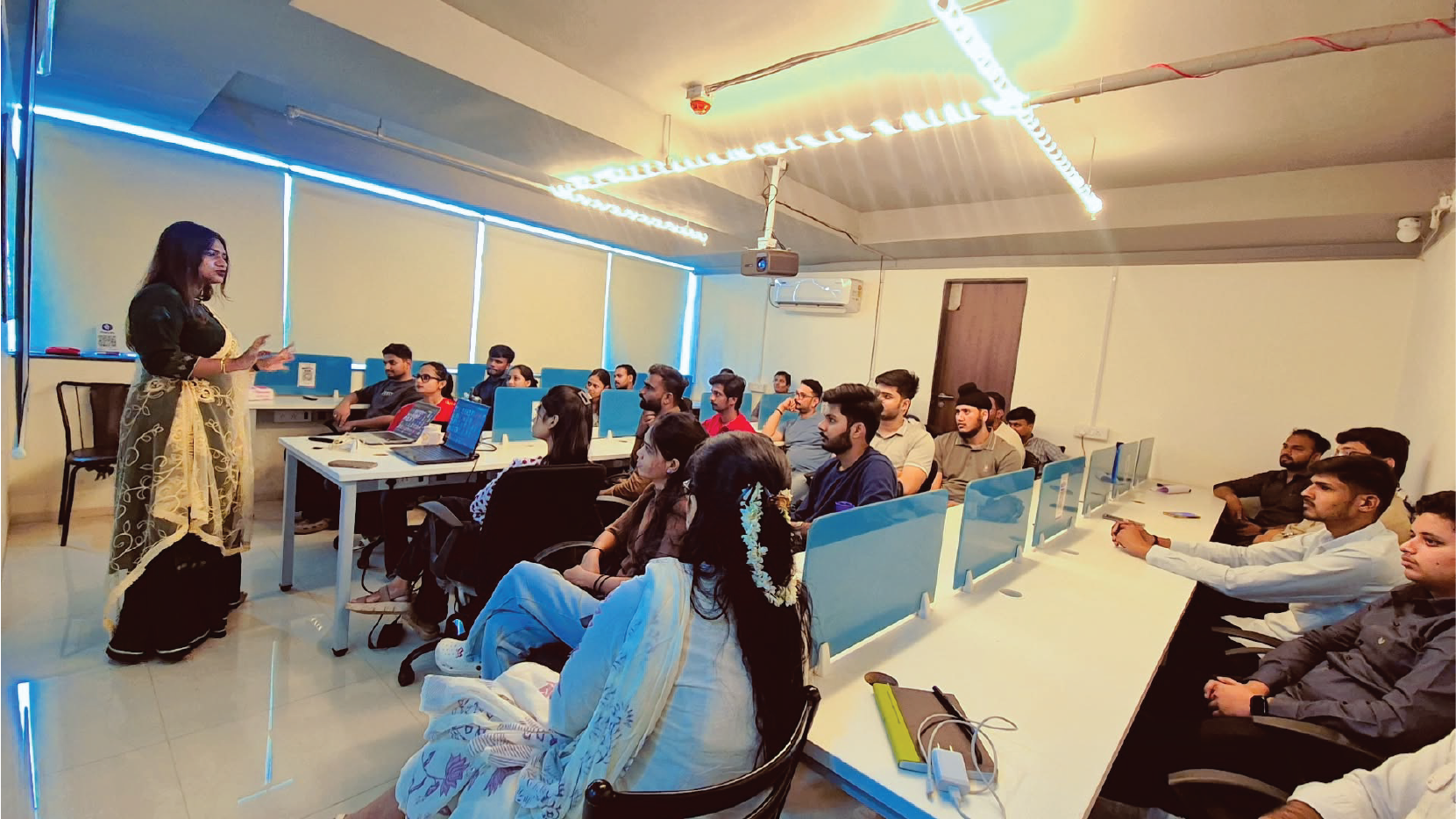
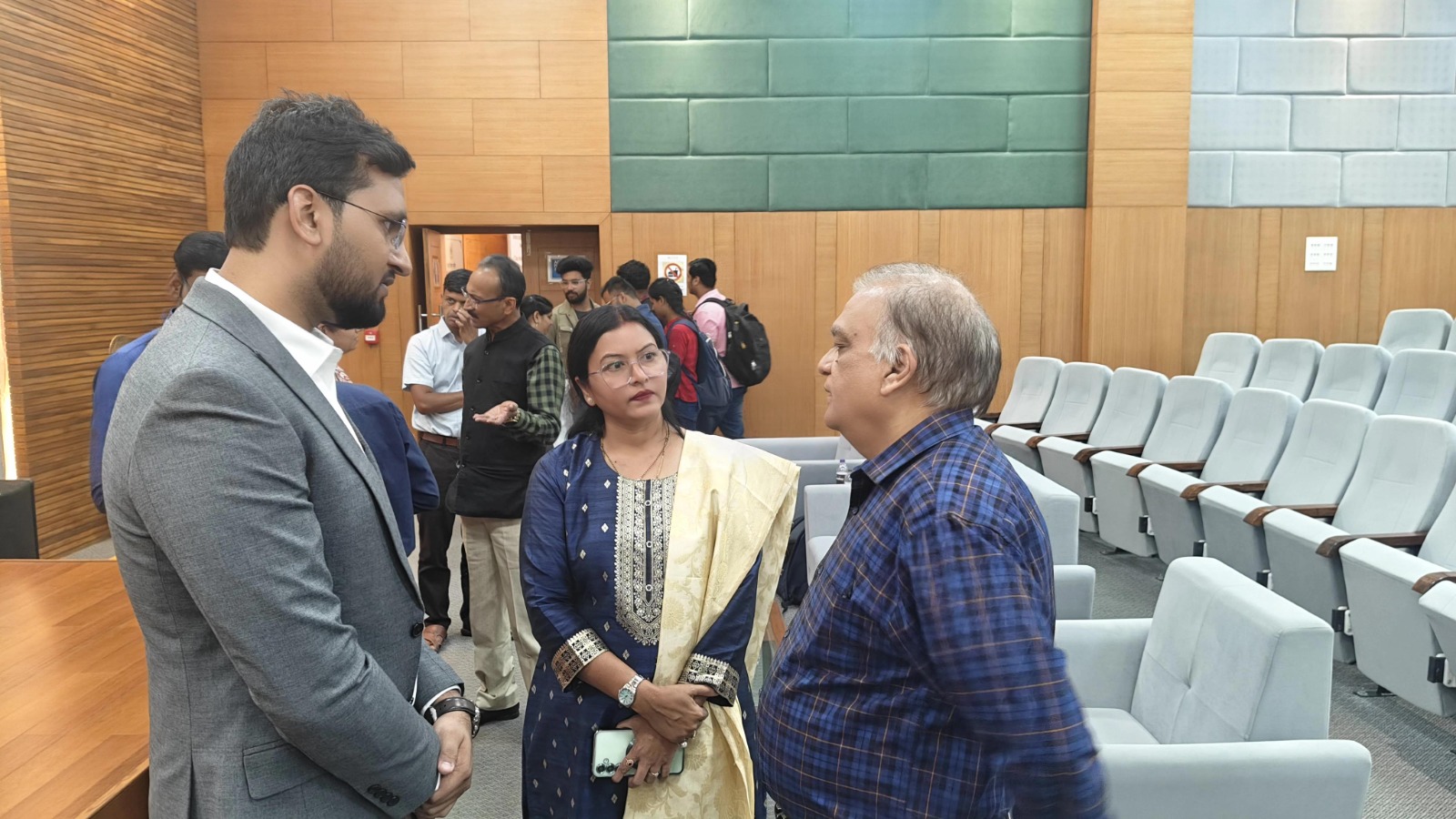
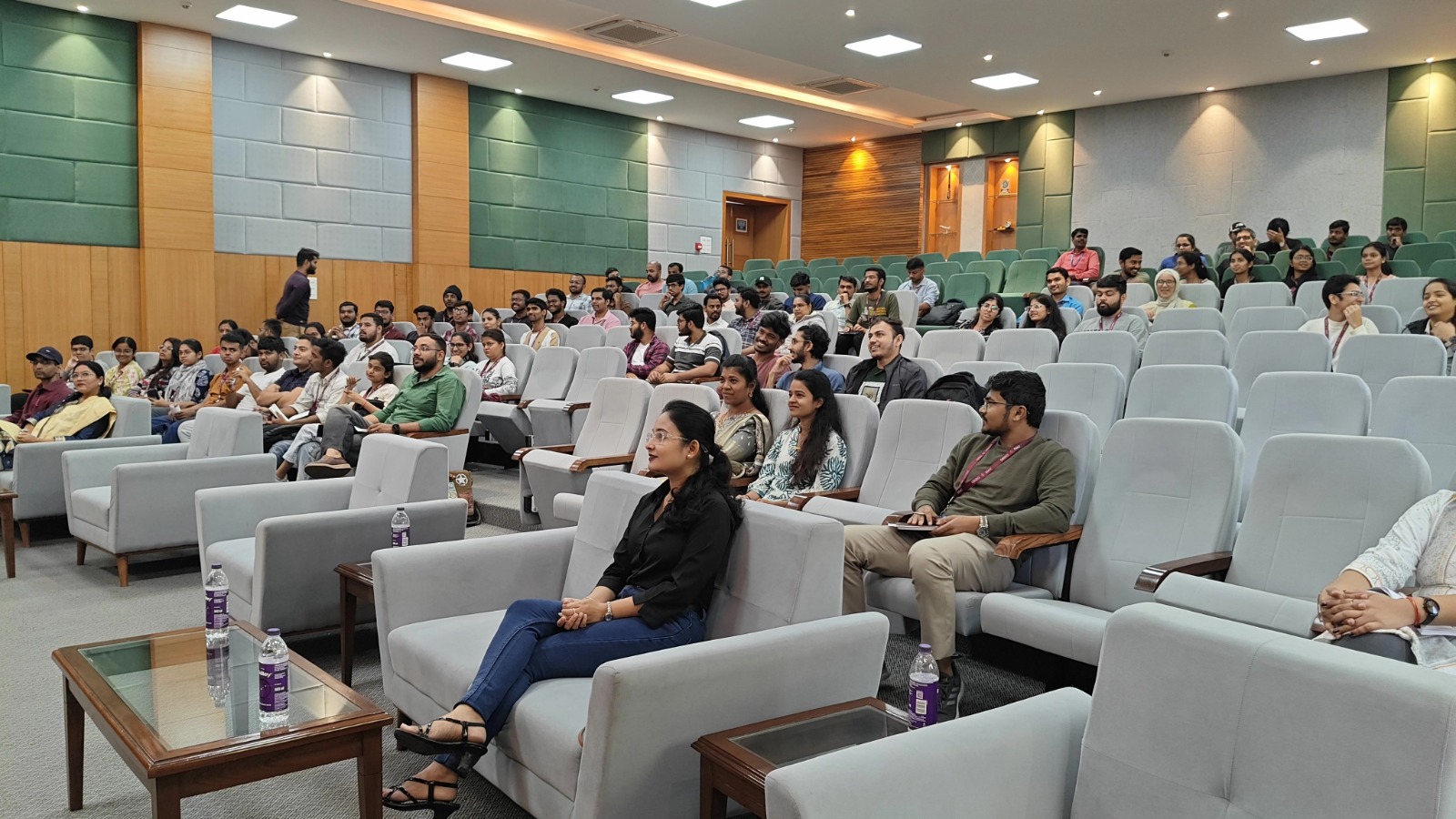
Ethan’s Office Tour
Ethans Tech is a leading professional training institute founded with the mission to bridge the gap between academic learning and real-world skills. With a strong presence in Pune and expanding across India, Ethans Tech has trained thousands of students and working professionals, helping them upgrade their careers in the most in-demand technologies.
The name “Ethans” represents a commitment to “education with excellence”. It’s not just a name; it’s a culture — built by passionate industry experts who believe in practical, hands-on learning rather than rote education. Every trainer at Ethan’s is a seasoned professional with real industry exposure, making the learning experience highly relevant, practical, and impactful.
At Ethans, it’s not just about completing a course — it’s about building a career.
Learners Profile
- 11% – BCA, B.Sc (IT/CS/Maths/Stats) Graduates
- 23% – B.Tech & M.Tech Graduates (CS, IT, ME, CIVIL)
- 27% – Working Professionals (6+ Years of Work Ex)
- 23% – Early Career Professionals (1–6 years of experience)
- 16% – Career Comeback Learners (with a gap in education or employment)
This blend of learners adds immense value to the learning experience — offering unique perspectives, fresh ideas, and real-world context to every session
Learner Profiles & Trusted Companies

Our Alumni Works Here!









Contact Us
Shivajinagar
1st Floor, Aone Capital, Office 101, 102, 103, Apte Rd, above Cafe Peter, Shivajinagar.
Let's Connect
We usually respond within few hours.
Phone Number
02248932060
Email Address
support@ethans.co.in
Request A Callback
Certified Data Engineer Course in Pune & Gen AI FAQs
Everything you need to know about the program.
What are the prerequisites for Data Engineer & Gen AI Training?
Who is this program designed for?
Who are the instructors?
Will I get access to an LMS during the program?
Will I receive any certification?
Yes. Upon successful completion of the program, you will receive a course completion certificate from Ethans Tech and a certificate from TIH at IIT Patna, recognizing your learning and successful participation in the program.
Can I repeat the classes if I miss or need a revision?
Yes! During the program, learners have access to session recordings and class repetition options, allowing you to revise or re-attend sessions as needed for better understanding. However, if a learner wishes to repeat the entire batch after the 6-month program period, a batch repetition fee of ₹5,000 will be applicable.