

- ADMISSION OPEN FOR NEW BATCH
Advance Certification in Generative AI & Agentic AI

TIH at IIT Bombay

TIH at IIT Patna

TIH at IIT Palakkad
- Advanced Certification Training Program in Generative AI (GenAI) with TIH at IIT Bombay
- 04 -Month Technical Training Program | Hybrid (classroom + online)Learning
- A comprehensive program designed for working professionals to gain expertise in Generative AI.
- Start from the fundamentals and progress to advanced AI concepts and real-world applications.
- Covers prompt engineering, transformers, LLMs, image generation, and conversational AI.
- Hands-on training with tools like OpenAI (ChatGPT) and Hugging Face.
- Industry-aligned curriculum focused on building and deploying AI-powered solutions for the future of automation and intelligent systems.


- LEAD INSTRUCTOR
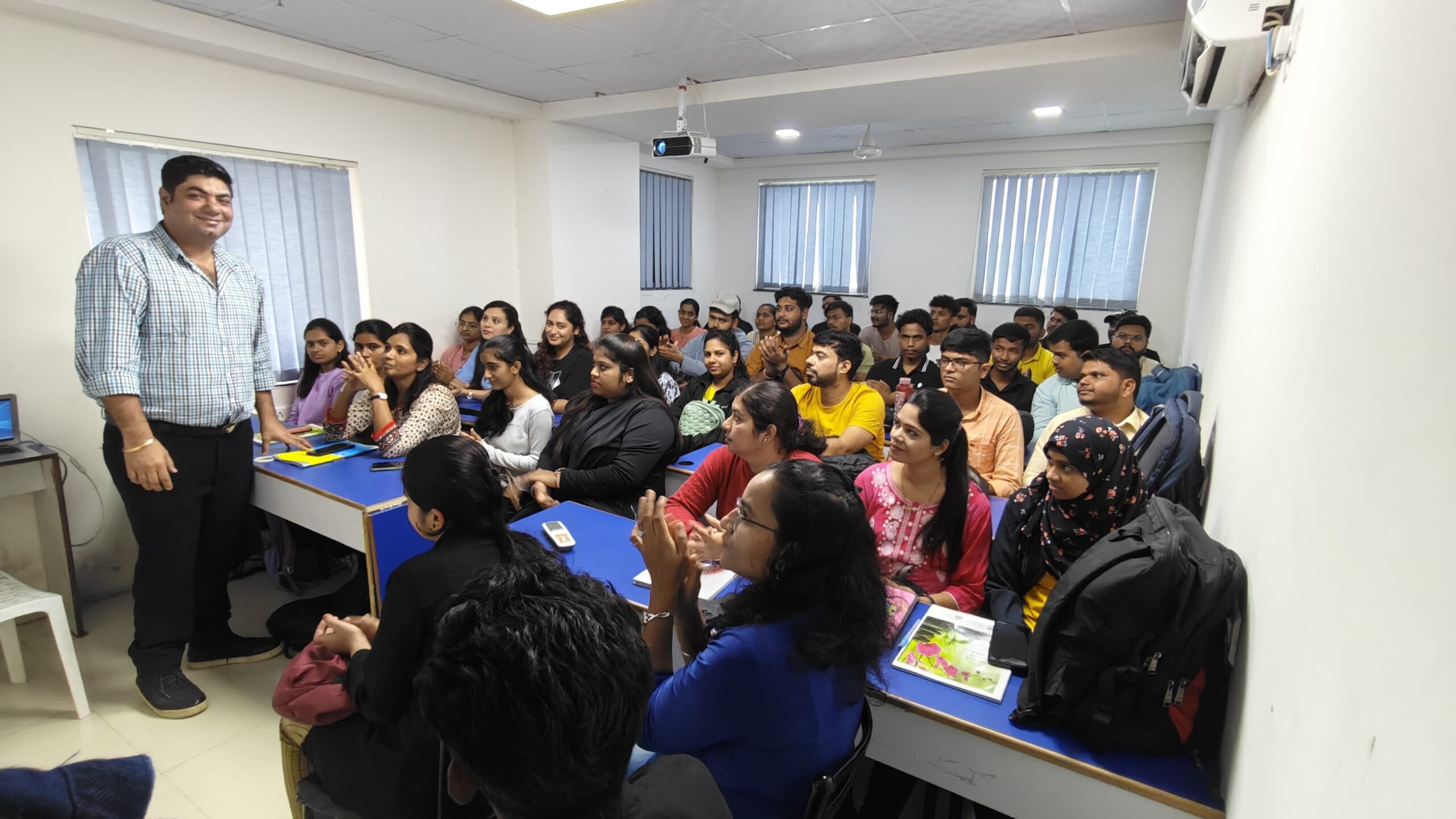
- CLASSROOM TRAINING
Professional Certification in Generative AI & Agentic AI: Build your AI career in 2026
- Live Training
- AI Skill Roadmap
- Learn from Industry Experts

Next Batch
27th Oct, 2026

Time
08:30 AM - 10:30 AM
- Start your journey into the world of Artificial Intelligence — even if you have zero experience.
- In this live career webinar, industry expert Anurag Sir(AI & Technology Expert 16+ Years of Industry Experience) will guide you through the exact roadmap to become an AI professional in 2026.
- Discover the essential skills, tools, and real-world projects you need to move from beginner to AI expert and build a high-growth career in the AI industry.
27th Oct, 2026
Next Batch
04 Months
Program Duration
Hybrid
classroom + online
TIH at IIT Bombay
Premier Institute Certification






In Association With :


Mentors & Instructors
Our team is made up of industry experts, seasoned professionals, and passionate trainers who work together as a close-knit family. We believe in not just teaching, but mentoring, inspiring, and growing together — creating a learning environment that feels like home and performs like the best in the business.

Gurjeet Sir
Ex IIT Kharagpur, AI

Sachin Sir
Ex Microsoft – Azure

Vinit Sir
Ex IIT Bombay, GenAI

Jatin Sir
Ex Credit Suisse, Python

Siddhant Sir
Ex IIIT Allahabad, DSA

Raman Sir
Ex-Data Analyst, MuSigma

Anurag Sir
Ex-IIM Bangalore, GenAI

Himanshu Sir
Most Advanced Curriculum in Industry
Python for GenAI
- Installation Process
- Python Interpreter Installation
- Python vs Anaconda Python
- IDE installation
- Introduction of Jupyter Notebook
- Introduction to Python & Its Objects
- Python syntax basics
- Comments in Python
- Indentation rules
- Variables in Python
- Basic data types – int, float, str, list, dict, tuple, set, None, Bool
- Arithmetic operators
- Comparison operators
- Assignment operators
- Membership and identity operators
- Data Handling in int, Str
- Indexing & Slicing in strings
- Operators in Python & User Defined Functions
- Basic operations on list
- Basic operations on tuple
- Basic operations on dict
- Introduction to Set, None and Bool Objects
- Introduction to User Defined Functions
- Defining a Function using def
- Calling a Function
- Function Parameters and Arguments
- Default Parameters
- Keyword Arguments
- Return Statement
- Functions in Python
- Built-in functions in Python
- input(), len(), type(), abs(), pow(), min(), max(), sum(), range(),
- enumerate(), zip(), map(), filter(), sorted(), reversed(), all(), any(), id(), help(), dir(), isinstance().
- str – lower(), upper(), strip(), replace(), split(), join(), find(), startswith(), endswith(), count(), capitalize(), title(), swapcase(), isdigit(), isalpha(), isalnum()
- list -m append(), extend(), insert(), remove(), pop(), clear(), index(), count(), sort(), reverse()
- tuple – count(), index()
- dict – keys(), values(), items(), get()
- Conditonal Statement in Python
- Introduction to Conditional Statements
- if Statement
- if-else Statement
- if-elif-else Statement
- Nested if Statements
- Comparison Operators in Conditions
- Logical Operators (and, or, not)
- Practical Examples of Conditional Statements
- Exception Handling try, except
- Loops in Python – for
- Introduction to for Loop
- Syntax of for Loop
- Flow of Execution in a for Loop
- Using Conditions in for Loop
- Using break with for Loop
- Using continue with for Loop
- Using pass in for Loop
- for Loop with else Statement
- Nested for Loops
- Python Modules
- Introduction to Python Built-in Modules
- Importing Modules (import, from, as)
- Exploring Modules using dir()
- The datetime Module
- requests Module
- Json Module – Introduction to JSON Format, Reading & Writing JSON Data, Converting Python Objects to JSON (dump, dumps), Converting JSON to Python Objects (load, loads)
- Pip installation
- AI API’s Python
- Setting up Environment (Python, pip, virtual environment, API keys)
- Working with ChatGPT API (OpenAI) – basic request & response
- Gemini API Integration (Google AI) – setup and simple usage
- Prompt Engineering Basics – writing effective prompts
- Mini Project (Text summarizer or email generator)
- Error Handling & API Best Practices (rate limits, cost control)
- Data Handling with Python (pandas)
- File Handling – Open, Write and Append
- Introduction to Pandas
- Installing and Importing Pandas
- Pandas Series
- Handling Pandas Series
- Pandas DataFrame
- Handling Pandas DataFrane
- Accessing Dataframes
- Reading CSV
- Reading Excel
- Reading JSON
DS Foundation for GenAI
- AI, Machine Learning & Deep Learning Fundamentals
- AI, ML and DL Overview: Evolution of AI technologies and difference between Artificial Intelligence, Machine Learning and Deep Learning.
- Machine Learning Fundamentals: How models learn patterns from historical data and use them for prediction.
- Types of Machine Learning: Supervised learning, unsupervised learning and reinforcement learning approaches.
- ML Problem Types: Understanding regression, classification and clustering use cases.
- Machine Learning Workflow, Data Preparation & Feature Engineering
- ML Lifecycle: Problem definition, data collection, model development, evaluation and deployment process.
- Data Preprocessing: Handling missing values, duplicate records, incorrect data and preparing clean datasets.
- Features and Labels: Understanding input variables and target outputs used during model training.
- Dataset Splitting: Training, validation and testing approaches for reliable model evaluation.
- Feature Engineering: Creating, transforming and selecting features to improve model performance.
- Machine Learning Algorithms & Model Evaluation
- Regression: Predicting continuous numerical values using techniques like Linear Regression for real-world prediction problems.
- Classification: Predicting categories using algorithms such as Logistic Regression, Decision Tree and Random Forest.
- Clustering: Grouping similar data points using unsupervised learning techniques like K-Means.
- Model Evaluation: Measuring performance using Accuracy, Precision, Recall, F1 Score, MAE and RMSE.
- Model Improvement: Understanding overfitting, underfitting and regularization techniques.
- Neural Network Fundamentals
- Artificial Neuron: Basic unit of neural networks that processes inputs using weights and produces outputs.
- Perceptron: Simple neural network model used to understand binary classification concepts.
- Neural Network Architecture: Structure of input layer, hidden layers and output layer.
- Weights and Bias: Parameters adjusted during training to improve model predictions.
- Activation Functions: ReLU, Sigmoid and Softmax functions used to introduce non-linearity.
- Deep Learning Model Training & Optimization
- Forward Propagation: Flow of input data through neural network layers to generate predictions.
- Loss Function: Method to measure difference between actual and predicted results.
- Backpropagation: Technique used to calculate errors and update network weights.
- Gradient Descent and Optimizers: Methods used to minimize errors and improve model learning.
- Training Parameters: Epoch, batch size and learning rate concepts affecting training performance.
- Regularization: Techniques such as dropout used to reduce overfitting.
- Deep Learning Architectures: CNN and Sequence Models
- CNN Fundamentals: Neural network architecture used for image processing and feature extraction.
- Convolution Operation: Using filters to identify patterns such as edges and shapes in images.
- Feature Extraction: Learning important representations automatically from raw data.
- Sequence Models: Neural networks designed for ordered data such as text and time series.
- RNN, LSTM and GRU: Models used for handling sequential information and memory.
- Natural Language Processing Fundamentals
- NLP Overview: Applications of natural language processing in text analysis and language-based systems.
- Text Processing: Preparing raw text data before applying machine learning models.
- Tokenization: Splitting text into smaller units for processing.
- Text Cleaning: Removing unnecessary words and standardizing text using stop words, stemming and lemmatization.
- Text Representation: Converting text into numerical format using Bag of Words and TF-IDF.
- Text Representation, Embeddings & Attention Basics
- Word Embeddings: Representing words as numerical vectors to capture meaning and relationships.
- Semantic Similarity: Comparing relationships between words and text using vector representations.
- Attention Mechanism: Concept of focusing on important information while processing sequences.
- Transformer Basics: Introduction to attention-based architecture including encoder and decoder concepts.
- NLP Workflow: Complete flow from text preprocessing to representation and prediction.
GenAI & Agentic AI
- Setup & Environment
- Assumed knowledge: working Python (variables, functions, loops, pandas basics)
- Install Python and an IDE (VS Code), or use Google Colab
- Jupyter Notebook basics
- Create accounts and API keys: OpenAI, Google Gemini (AI Studio), Anthropic Claude
- Install the provider SDKs and core libraries
- Managing secrets: .env files and keeping API keys safe
- Generative AI Foundations & Your First API Call
- Traditional AI vs Generative AI: the paradigm shift
- How LLMs work (intuition): transformers, attention, next-token prediction
- Tokens, embeddings and context windows: the engineering implications
- Decoding controls: temperature, top-p, sampling
- LLM limitations: hallucination, knowledge cutoff, context degradation
- Calling the models: OpenAI, Google Gemini and Anthropic Claude SDKs
- Project: Multi-model playground – one interface that queries OpenAI, Gemini and Claude side by side
- Practical GenAI Use-Cases from Data
- Turning a business problem into a prompt
- Text classification and sentiment analysis
- Tagging, extraction and named-entity recognition
- Summarization: short, long and structured
- Translation and tone / style transfer
- Batch processing over a dataset (pandas + the API)
- Cost, latency and picking the right model for the job
- Project: Use-case pack – a reusable notebook of GenAI building blocks run over real data
- Prompt Engineering that Works
- Zero-shot, few-shot and chain-of-thought (CoT) prompting
- Self-consistency and tree-of-thought (intro)
- Role and persona prompting for consistent behaviour
- Output constraints: format, length, tone
- Prompt injection: attack vectors and defenses
- Evaluation-driven iteration: test, measure, improve
- Prompt versioning and management (intro)
- Hands-on: provider playgrounds, LangChain PromptTemplate
- Project: A reusable prompt-pattern library for the rest of the course
- Building a Chatbot from Scratch
- Anatomy of a chat completion; why LLMs are stateless
- Conversation memory: how a bot ‘remembers’ a turn
- Multi-turn dialogue and the chat loop
- System prompts and grounding the bot’s persona
- A simple, shareable web UI (Gradio / Streamlit)
- Hands-on: chat loop class + web interface
- Project: Resume / Interview Bot that role-plays from your resume, with a web UI
- Structured Output & Guardrails
- Why structured output is essential for real applications
- JSON mode and JSON-schema enforcement
- Typed, validated outputs with Pydantic
- Designing output schemas for downstream systems
- Safety guardrails: input / output validation, refusal handling
- Failure modes, retries and graceful degradation
- Hands-on: OpenAI JSON mode, Pydantic, Guardrails AI
- Project: A production-grade classifier with schema-validated output
- Tool Use & Function Calling
- What tool / function calling is and why agents need it
- Defining function schemas the model can call
- Tool orchestration and chaining
- Connecting tools: web search, image generation, calculators, APIs
- Handling tool errors and ambiguous calls
- Hands-on: OpenAI function calling, Anthropic tool use, Gemini
- Project: Tool-using assistant that searches the web and generates images on demand
- Enterprise RAG & Retrieval Foundations
- Why RAG: knowledge-freshness, grounding and the enterprise knowledge problem
- Embeddings: what they are and how to choose an embedding model
- Vector databases and similarity search: FAISS / ChromaDB, and enterprise stores (pgvector, Pinecone, Weaviate)
- Chunking strategies: fixed, recursive, semantic, document-aware
- The end-to-end RAG pipeline: ingest, embed, retrieve, generate
- Hands-on: LangChain, embeddings, a vector database
- Project: Multi-document RAG chatbot – chat with your own PDFs
- Graph Databases & Semantic Search Optimization
- Semantic search optimization: keyword vs semantic vs hybrid search (BM25 + vectors)
- Two-stage retrieval: retrieve-then-rerank with cross-encoders
- Query optimization: rewriting, expansion and metadata filtering
- Knowledge graphs and graph databases (Neo4j): modeling entities and relationships
- GraphRAG: graph-based vs vector-only retrieval, and when relationships matter
- Hands-on: hybrid search, a reranker, and Neo4j / GraphRAG
- Project: Enterprise knowledge-base chatbot combining vector and graph retrieval
- Building Your First AI Agent
- What an agent really is: goals, tools, memory, autonomy
- The ReAct pattern: reasoning and acting in a loop
- Agent design patterns: researcher, planner, writer
- Short-term memory and structured context passing
- Building agents with LangGraph
- Hands-on: LangGraph, a tool-using agent
- Project: Research Agent that plans, searches and writes up findings autonomously
- Advanced Agents: Token Management, State Persistence & Long-Term Memory Architectures
- Token and context-window management: budgeting, summarization, context compaction
- State persistence: checkpointing and durable state across runs (LangGraph persistence)
- Long-term memory architectures: vector, episodic and semantic memory (Mem0)
- Human-in-the-loop: approvals, interrupts and steering
- Reliability and safe autonomy: retries, fallbacks, idempotency, scoping
- Hands-on: context budgeting + a memory store + an interrupt / approval step
- Project: Agentic app with long-term memory, persistent state and a human-in-the-loop checkpoint
- Multi-Agent Systems
- Multi-agent architectures: sequential, parallel, hierarchical
- Role-based agents: specialist vs generalist
- Coordinator-dispatcher and delegation patterns
- Passing context and outputs across agent boundaries
- Frameworks: CrewAI and Google ADK
- Hands-on: CrewAI, Google ADK, LangGraph multi-agent
- Project: Multi-agent research crew (fetcher, analyzer, writer)
- MCP: The Model Context Protocol
- What MCP is and why modern agents use it
- MCP architecture: client, server, transport
- Registering tools, resources and capabilities via MCP servers
- Connecting agents to databases, APIs and internal systems
- MCP vs traditional tool-calling: when and why
- Hands-on: the MCP SDK
- Project: Build an MCP server and connect it to an AI assistant
- Agentic Automation with n8n
- No-code / low-code automation for AI workflows
- n8n core concepts: nodes, workflows, triggers, credentials
- Event-driven automation: webhooks, schedules and app triggers
- Putting an LLM / agent in the loop of a business workflow
- Connecting apps: email, Google Sheets, Slack, CRMs, databases
- AI agent nodes and chaining tools inside n8n
- When to use no-code automation vs a coded agent
- Project: An automated, AI-powered workflow (inbound lead, enrich, summarize, route)
- The Agentic Developer Workflow
- Coding with AI agents: the agentic SDLC
- Spec / intent-driven development and ‘loop engineering’
- Using coding agents (e.g. Claude Code) to build, test and refactor
- Running open models locally (Ollama) and when it makes sense
- From idea to shipped app, the agentic way
- Hands-on: build a feature end-to-end with a coding agent
- Project: Build and ship a working app end-to-end with an AI coding agent
- Multimodal & Voice Agents
- Beyond text: vision, audio and document understanding
- Multimodal prompting (Gemini / GPT vision)
- Voice agent architecture: speech-to-text, LLM, action, text-to-speech
- Streaming and latency for real-time voice
- Hands-on: Gemini multimodal, speech-to-text / TTS
- Project: Voice assistant or PodcastGPT – turn content into an AI-generated podcast
- LLMOps: Automated Evals, Routing and Fallbacks
- LLMOps: automated evaluation with Ragas and TruLens; evals in CI and regression testing
- Evaluating agentic systems: task completion, tool-use accuracy, quality; tracing and debugging
- Gateway routing: LLM gateways and cost / latency-based model routing
- Graceful fallbacks: provider failover, retries and degraded modes
- Deployment and Responsible AI: APIs (FastAPI), secrets, cost control, going to production
- Capstone Project: Portfolio-grade, end-to-end agentic application (RAG + graph + agents + multi-agent + MCP)
Unlock ₹20,000+ Worth of Premium Bonuses — 100% Free!
Join Any Data/AI Mentorship Program Today and Get Exclusive Learning Perks at Zero Cost!


Best Tech Tools










Industry Projects
Project 01
AI-Powered Resume Screening Assistant
Project 02
Intelligent Customer Support Chatbot with Memory
Project 03
Content Generator for Marketing Campaigns
Trusted by Leading Platforms

Top-Rated Institute

Featured for Excellence

Proud member

Academic Partner

Generative AI & Agentic AI – Program Highlights
- Hands-on Projects & Real Use Cases – Work on 15+ practical projects involving text, image, audio, and video generation to gain applied expertise.
- Flexible Learning for Working Professionals – Structured to fit around your busy schedule with live sessions, recorded lectures, and self-paced study options.
- In-depth Curriculum – Master foundational and advanced topics including deep learning, transformers, GANs, diffusion models, prompt engineering, fine-tuning, and deployment.
- Integration with Industry Tools – Learn to work with popular frameworks and platforms such as TensorFlow, PyTorch, Hugging Face, OpenAI APIs, and cloud services.
- Internship-Integrated Experience – Apply your knowledge in real-world business scenarios through hands-on internship opportunities.
- Access to Top Employers – Get connected with 500+ companies looking for AI and machine learning professionals skilled in generative AI.
- Career Support & Job Readiness – Receive expert-led resume workshops, mock interviews, LinkedIn profile optimization, and personalized career mentoring.
- Build Real-World AI Solutions – Develop AI-driven chatbots, content generators, creative tools, and automation workflows to solve industry challenges.
- Industry-Recognized Certification – Earn a certificate valued by recruiters worldwide and gain confidence to advance your career in AI.
Up-Skill with 2-in-1 Certifications
Gain a competitive edge in the job market with our exclusive 2-in-1 certification bundle designed to validate your skills and elevate your resume

TIH at IIT Bombay
Recognized certification from TIH at IIT Bombay, adding strong credibility and value to your resume.
Industry Relevant Skills
Demonstrates practical knowledge and industry-relevant skills aligned with modern technologies and real-world applications.
Continuous Learning and Enhances Career Opportunities
Reflects commitment to continuous learning and enhances career opportunities in tech and innovation-driven fields.

Validated Certification from Ethans Tech
Receive a professional certificate that validates your expertise and is recognized across leading IT companies.
Training Backed by Real-World Expertise
Ethans Tech follows a practical, hands-on training approach aligned with industry needs, boosting your job readiness.
Professional Credential for Career Growth
Showcase your technical skills with a credible certificate that strengthens your portfolio and improves hiring prospects.
Master 12+ In-demand Skills in Generative AI & Agentic AI
- Learn Artificial Intelligence fundamentals
- Understand Diffusion and VAEs
- Explore Audio Video generation
- Understand Neural Network
- Practice Prompt Engineering techniques
- Deploy Models on Cloud
- Explore Transformer Attention mechanisms
- Use Pretrained AI models
- Integrate APIs with AI
- Study Natural Language Processing
- Apply Text Generation techniques
- Ensure Ethical AI usage
- Study Natural Language Processing
- Create Image Style Transfers
- Implement Real-World AI Projects
Why to Join this Program
Certification from TIH at Bombay & Ethan's Tech
Earn an industry-recognized certification that adds credibility to your resume and boosts career opportunities in Generative AI development.
Expert-Led Sessions by IIT alumni
Learn from top-notch mentors with real-world experience in Generative AI programming, automation, and application development.
Flexible Learning Path
Complete your training and hands-on projects at your own pace with our hybrid learning model (online + classroom).
1:1 Mentorship & Career Guidance
Get personalized support, doubt-clearing sessions, and job readiness mentorship to help you succeed in your Generative AI career journey.
Advanced & Structured Curriculum
Master Generative AI from the ground up—covering basics to advanced concepts like OOP, APIs, web scraping, and automation.
Job-Ready Skills with Practical Projects
Build a strong project portfolio with real-time Generative AI use cases to stand out in interviews and job applications.
4.7

4.6

4.5

What Our Learners are Saying
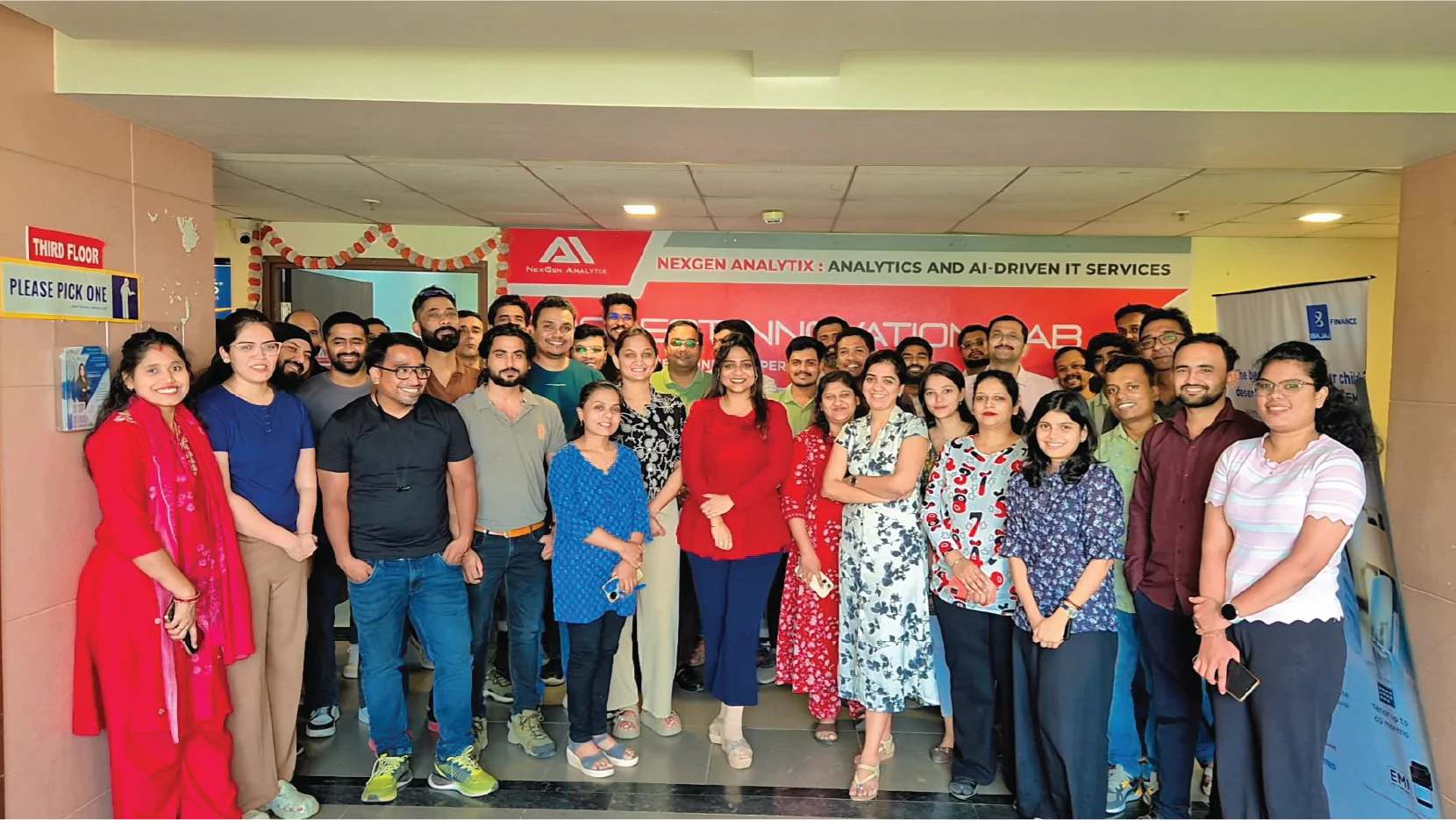
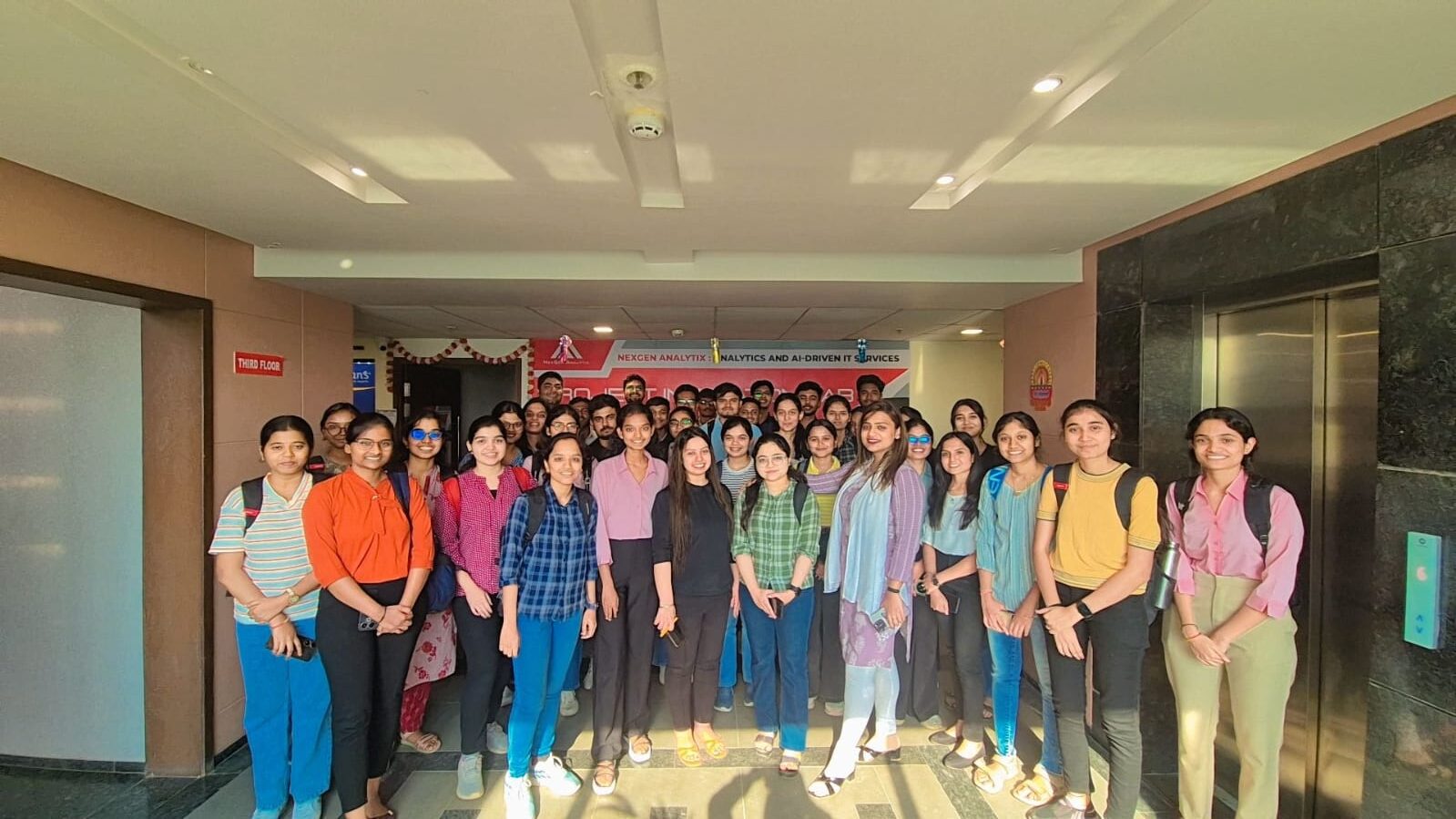
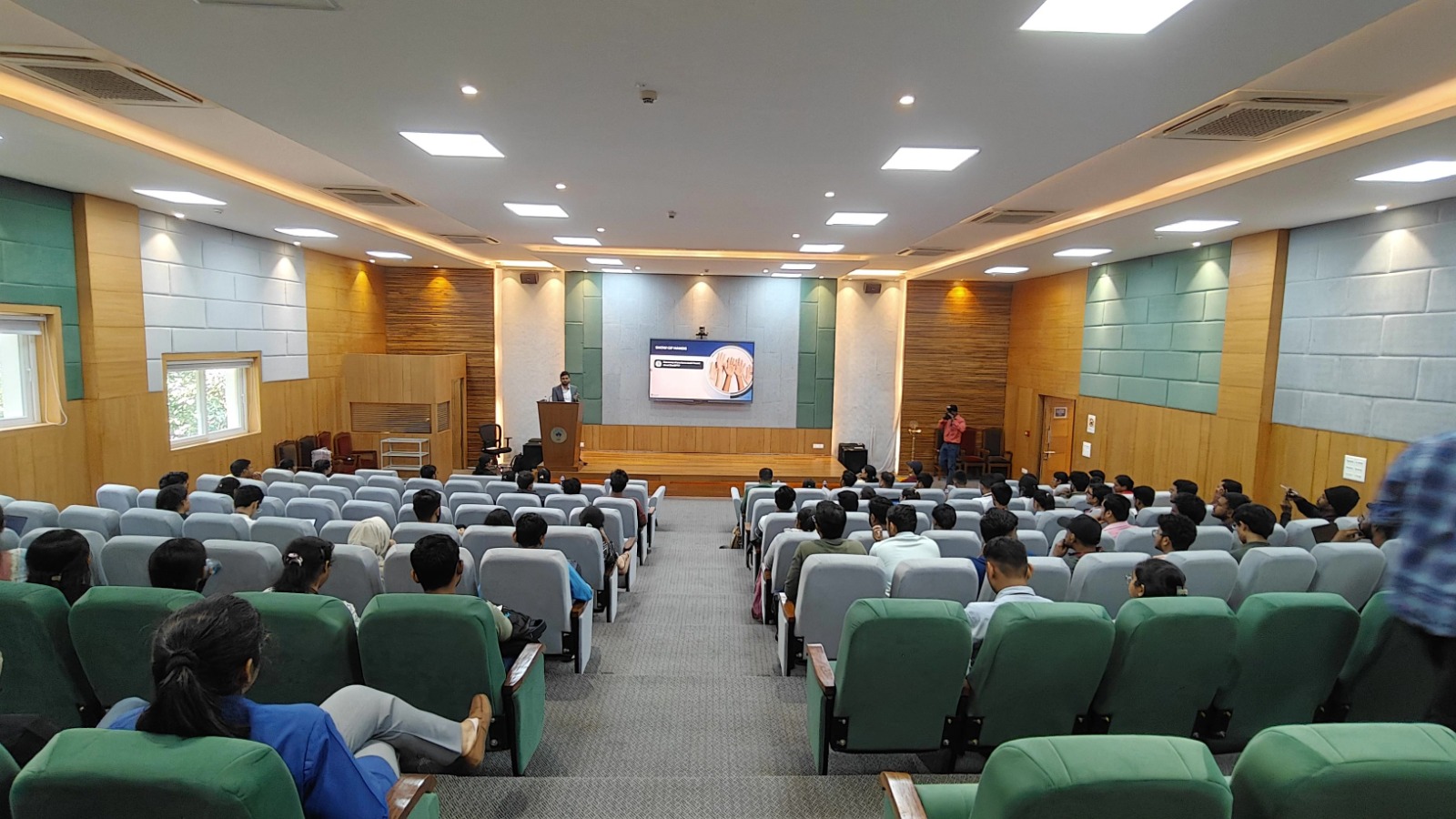
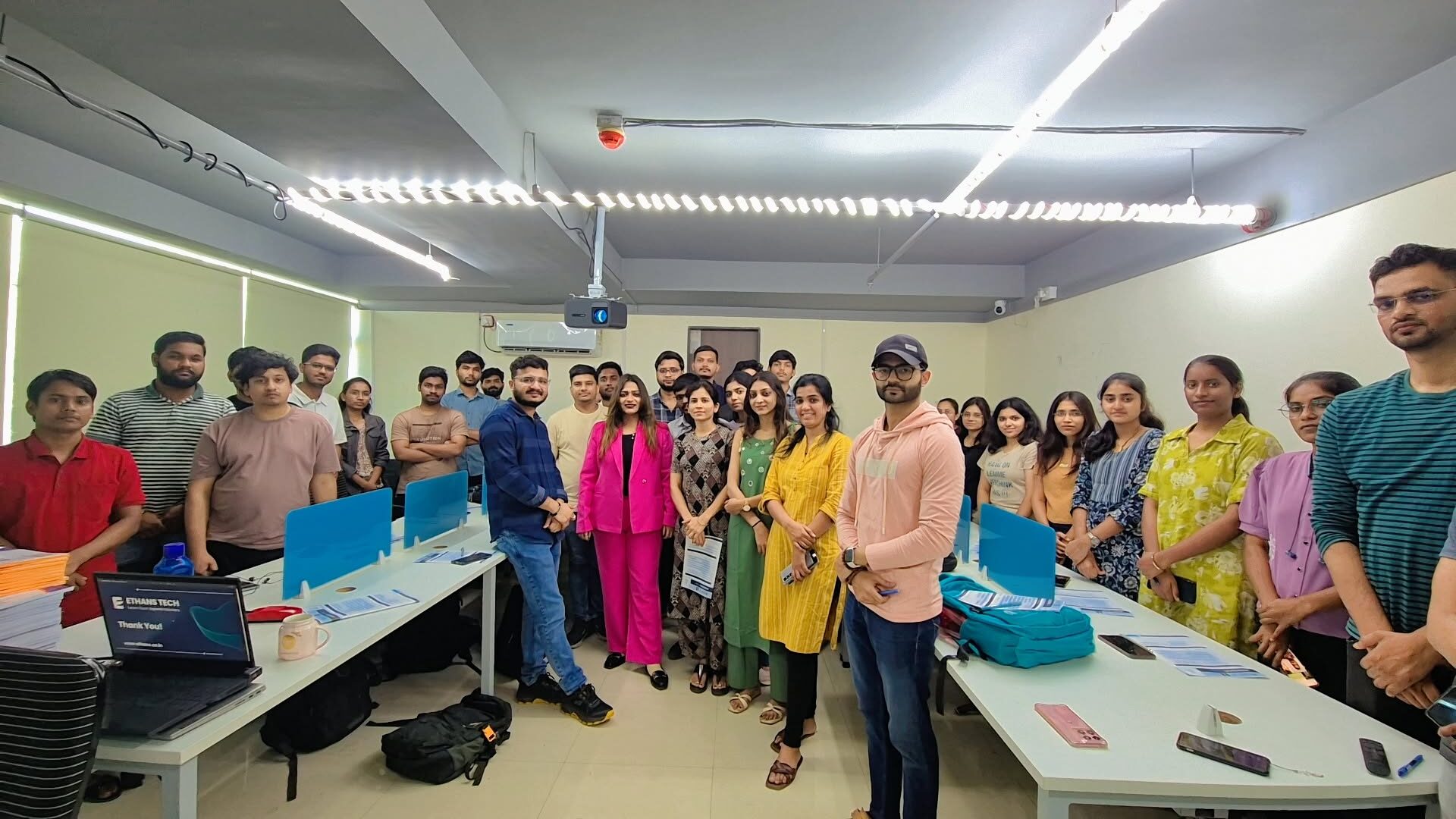
Ethan’s Office Tour
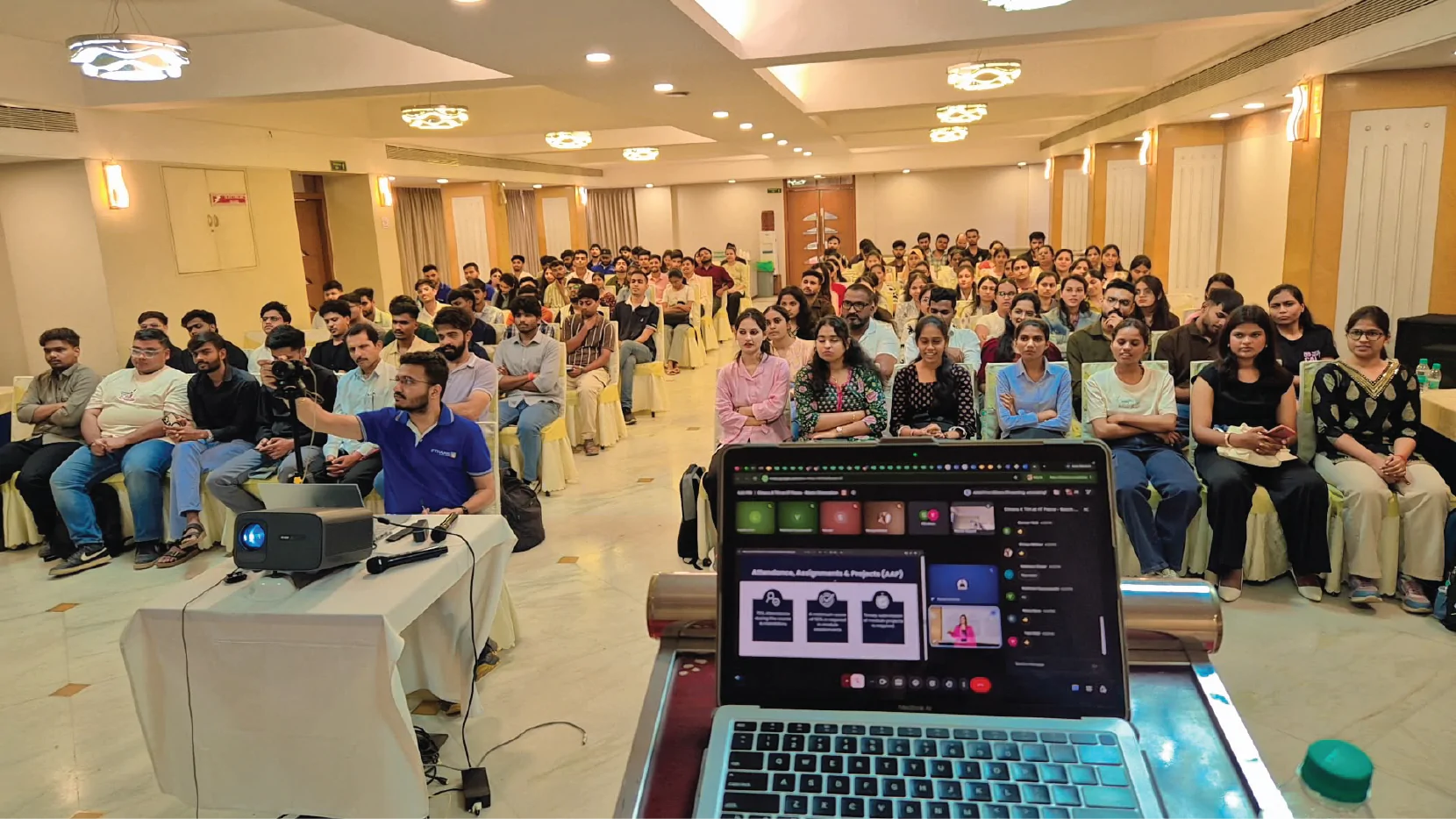
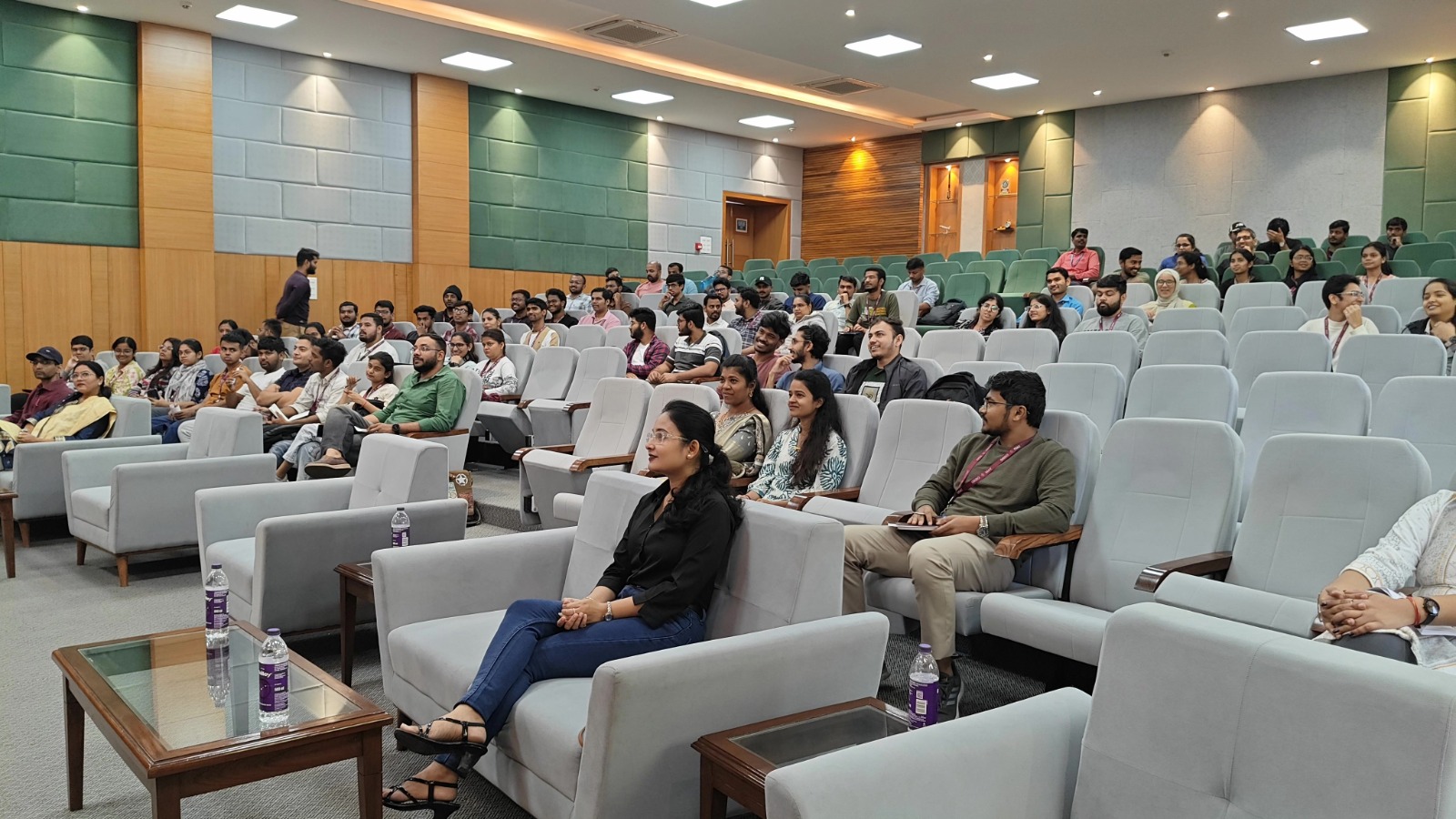
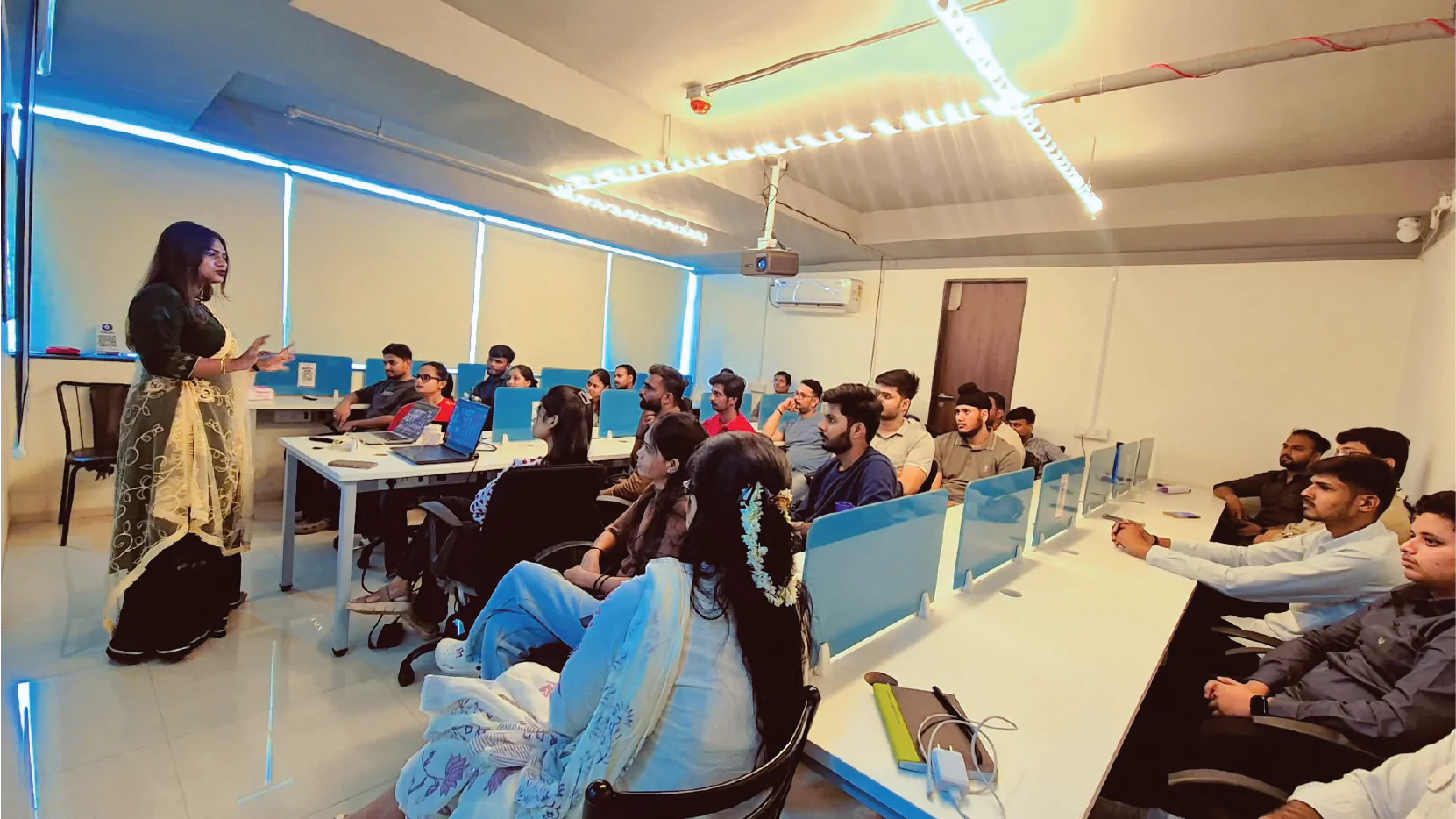
Ethans Tech is a leading professional training institute founded with the mission to bridge the gap between academic learning and real-world skills. With a strong presence in Pune and expanding across India, Ethans Tech has trained thousands of students and working professionals, helping them upgrade their careers in the most in-demand technologies.
The name “Ethans” represents a commitment to “education with excellence”. It’s not just a name; it’s a culture — built by passionate industry experts who believe in practical, hands-on learning rather than rote education. Every trainer at Ethan’s is a seasoned professional with real industry exposure, making the learning experience highly relevant, practical, and impactful.
At Ethans, it’s not just about completing a course — it’s about building a career.
Learners Profile
Our diverse and dynamic batch brings together individuals from various academic and professional backgrounds, creating a rich learning environment driven by collaboration and growth.
- 11% – College Graduates (Non-technical backgrounds)
- 23% – B.Tech & M.Tech Graduates (CS, IT, ME, CIVIL)
- 27% – BCA, B.Sc (IT/CS/Maths/Stats) Graduates
- 23% – Early Career Professionals (1–6 years of experience)
- 16% – Career Comeback Learners (with a gap in education or employment)
This blend of learners adds immense value to the learning experience — offering unique perspectives, fresh ideas, and real-world context to every session
Learner Profiles & Trusted Companies

Trusted By 155+ Top IT Companies For Upskilling



















Contact Us
Shivajinagar
1st Floor, Aone Capital, Office 101, 102, 103, Apte Rd, above Cafe Peter, Shivajinagar.
Let's Connect
We usually respond within few hours.
Phone Number
02248932060
Email Address
support@ethans.co.in
Request A Callback
Advance Certification in Generative AI & Agentic AI – FAQs
What is the difference between Advance Certification in GenAI & AgenticAI and Applied GenAI & AgenticAI Certification?
What kind of learning approach does this program follow?
The program is built around practical, project-based learning that prepares you for real-world AI careers. You’ll learn AI, Generative AI, Agentic AI, automation, and modern AI tools by working on industry-inspired projects, solving business problems, and implementing concepts through guided exercises. This hands-on approach helps you build a strong portfolio and practical experience alongside theoretical understanding.
Is Machine Learning and Deep Learning mandatory?
What are the prerequisites for Generative AI Training in Pune?
Ethans Tech Generative AI program doesn’t require any prerequisites to start.
Our program encompasses all the fundamental concepts necessary to grasp generative AI techniques, which include logical building, programming techniques, concepts of data processing, LLM, NLP and RAGs.


